Cylinder Diameter vs. Pressure Rating: Optimizing Tire Inflator Performance

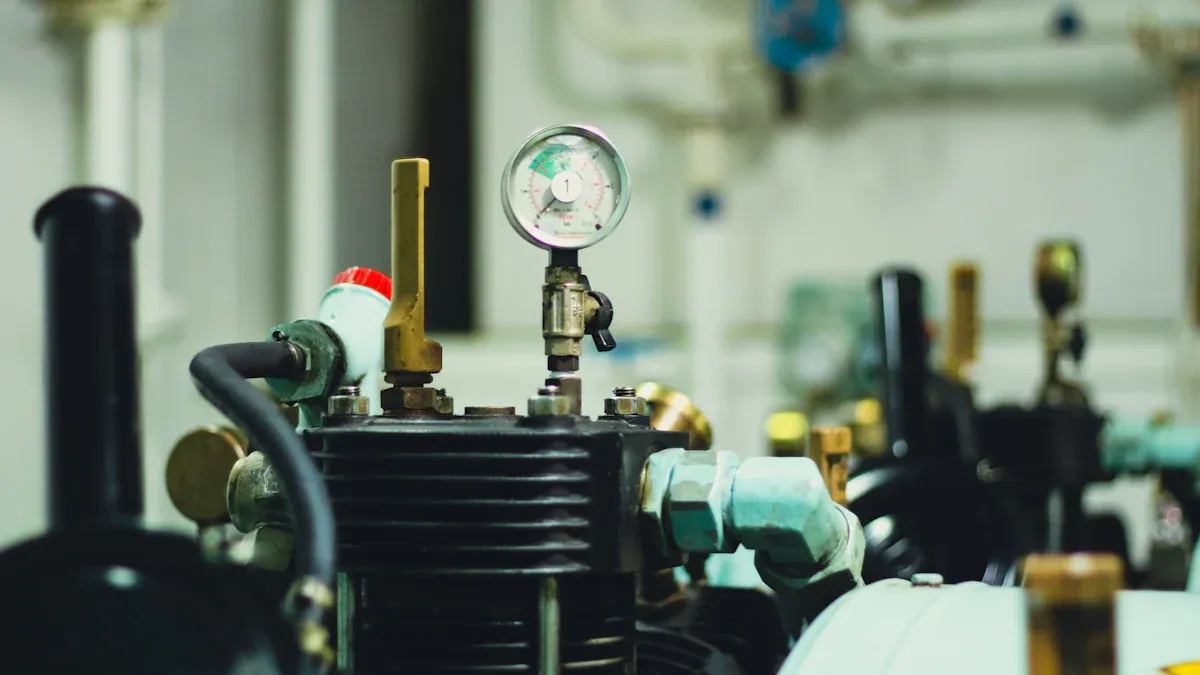
You want your tire inflator to be fast and safe. Cylinder Diameter changes how much force the inflator makes. Pressure rating shows how much air goes into your tire. If you match these two things, your tire fills up faster and stays safe. Many people skip this step and get slow or unsafe inflators.
Tip: Always look at the specifications before you buy or use a tire inflator.
Key Takeaways
Pick the right cylinder diameter for your tire. Bigger diameters fill tires faster. Smaller diameters work better for small tires.
Match the pressure rating to what your tire needs. Most car tires need about 30 psi. Bike tires need between 60 and 100 psi.
Always look at your inflator's specifications before you use it. This helps keep you safe and makes it work well.
Take care of your inflator often. Clean it and check for damage. This helps it last longer and keeps you safe.
Use a tire pressure gauge to check pressure. This stops over-inflation and keeps your tires in good shape.
Cylinder Diameter and Pressure Rating Basics
How Cylinder Diameter Impacts Force
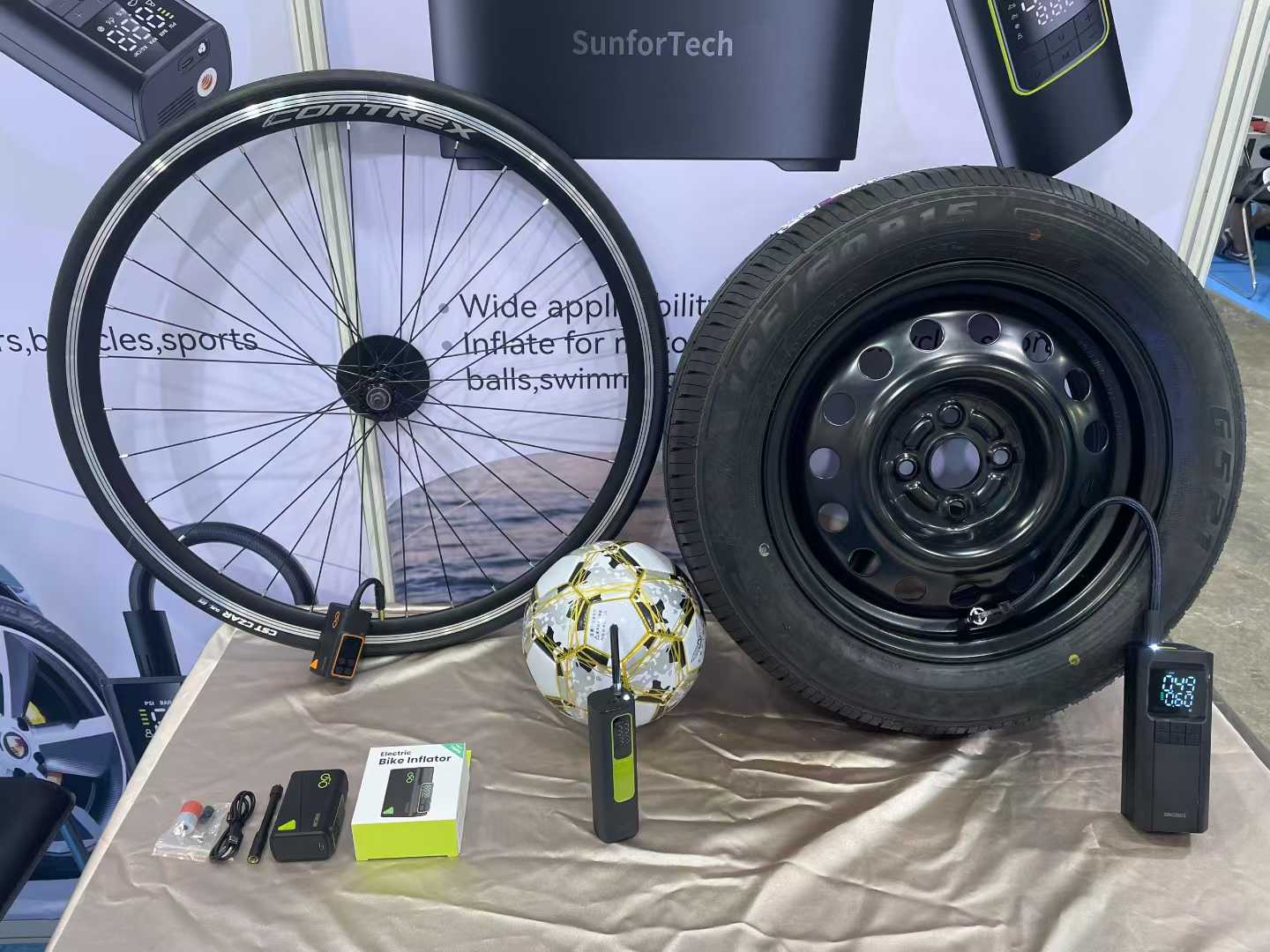
Tire inflators come in many sizes. The cylinder diameter is the width of the main tube inside. A bigger cylinder diameter lets the inflator push more air each time. This helps you fill your tire faster because more air moves with every pump. Smaller cylinder diameters move less air, so they take longer to fill a tire. If you need to fill big tires, like truck tires, you should pick a larger cylinder diameter for better results.
Note: Cylinder diameter is measured in millimeters or inches. Always check the size before you pick an inflator.
Pressure Rating and Inflation Efficiency
Pressure rating shows how much air pressure the inflator can handle safely. You measure this in psi, which means pounds per square inch. Most car tires need about 30 psi. Bike tires often need between 60 and 100 psi. Using the right pressure rating helps your tires touch the road well. This makes your car drive better and stop safely. Low tire pressure makes your engine work harder and use more gas. High pressure can make your ride bumpy and lower grip.
Car makers tell you the best pressure for your tires. If you carry heavy things, you might need higher pressure. Always follow these numbers to keep your tires safe and working well.
Safety Factors
Safety is very important when you use tire inflators. Most pneumatic cylinders work up to 250 psi, which is more than most tires need. Some cylinders, like hydraulic ones, can handle up to 5000 psi, but these are not for regular tire inflators. Some inflators use NFPA cylinders. These have thicker walls and bigger diameters for extra strength. These features help the inflator last longer and keep you safe from accidents.
NFPA cylinders give better protection and last longer.
Thicker barrels mean more strength for high pressure.
Tip: Never use an inflator above its rated pressure. This keeps you and your tires safe.
Cylinder Diameter vs. Pressure Rating: Technical Relationship
Trade-Offs in Inflator Design
When you pick a tire inflator, you have choices to make. A bigger cylinder diameter lets the inflator push more air each time. This helps fill a tire faster and needs less pressure for the same force. But bigger cylinders can lose some efficiency. The extra space inside, called fixed clearance, can trap air. This means less air moves with each pump. This is called lower volumetric efficiency.
A smaller cylinder needs more pressure to make the same force. It moves less air each time, so filling a tire takes longer. But smaller cylinders can be better in some ways. They have less fixed clearance, so less air gets wasted. You need to think about speed, efficiency, and the tire you want to fill.
Manufacturers look at many things when they design inflators:
Load requirements (how much force is needed)
Speed (how fast you want to fill the tire)
Stroke length (how far the piston moves)
Operating pressure (how much pressure the inflator can handle)
Mounting styles (how the inflator fits in your setup)
Most pneumatic cylinders work best between 58 and 145 psi. The pressure level changes how much force and speed you get.
Matching Cylinder Size to Tire Needs
You need to pick the right cylinder size and pressure rating for your tire. For car tires, a medium cylinder with a moderate pressure rating works well. Bike tires need higher pressure but less air, so a smaller cylinder with a higher pressure rating is better. Truck tires are big and need more air, so a bigger cylinder diameter with a strong pressure rating is best.
Here are some tips to help you choose:
Check your owner's manual for tire specifications.
Make sure your tire size matches your vehicle's needs.
Know your vehicle's weight rating to pick the right inflator.
Choose a cylinder and pressure rating that meet or exceed your tire's needs.
Tip: Always balance cylinder size and pressure rating for the best inflator performance. This helps you fill tires quickly and safely.
Selecting Cylinder Diameter and Pressure Rating
Choosing for Car, Bike, and Truck Tires
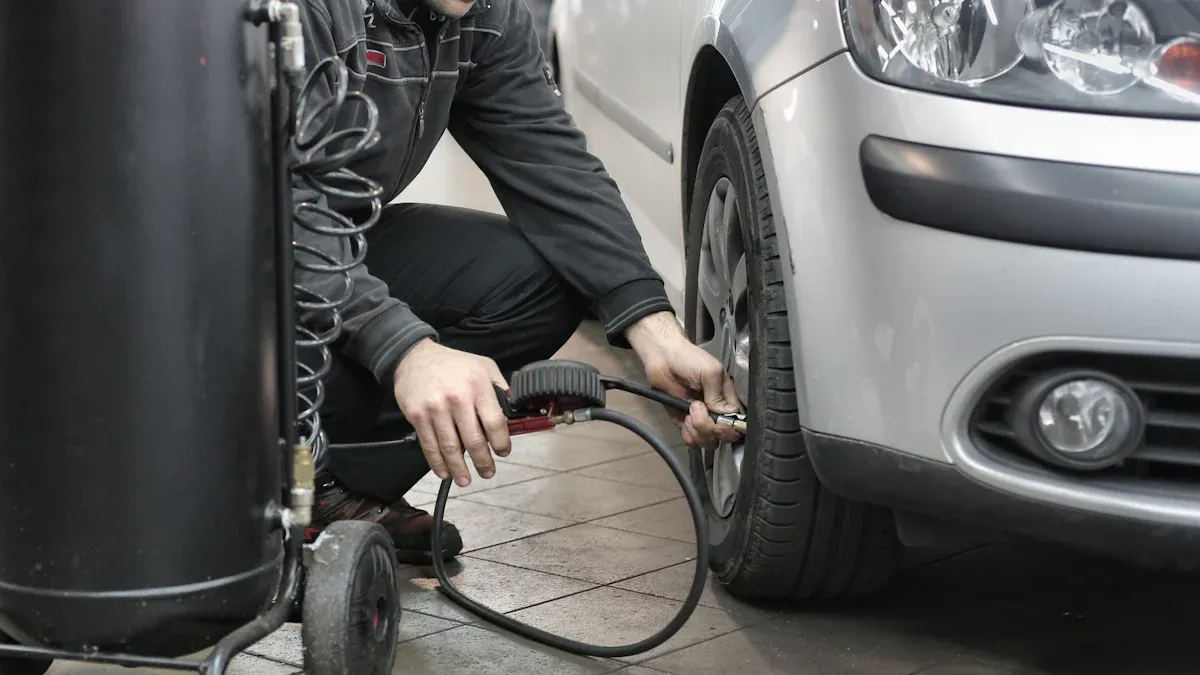
You need to pick the right inflator for your vehicle. Each type of tire has different needs. If you use the wrong inflator, you might waste time or even damage your tires. The table below shows common cylinder sizes and pressure ratings for cars and trucks. This helps you see what works best for each type.
Vehicle Type | Cylinder Diameter | Maximum Pressure Rating |
|---|---|---|
Car | 30 mm | 150 PSI |
Car | 30 mm | 100 PSI |
Truck | 60 mm | 150 PSI |
For cars, you usually want a cylinder diameter of 30 mm and a pressure rating between 100 and 150 PSI. This size fills car tires quickly and safely. Most car tires need 30-35 PSI, so these inflators work well. Digital pumps are popular for cars because they are easy to use and give accurate readings. Many people prefer digital models for their convenience and precision.
Truck tires are much bigger. They need more air and higher pressure. You should choose a cylinder diameter of 60 mm and a pressure rating of 150 PSI for trucks. Analog pumps work well for trucks. They are reliable and do not need electricity, which is important for commercial drivers.
Bike tires are different. Off-road bikes need pumps that can adjust pressure quickly for different terrains. Both digital and analog pumps work for bikes. You should look for a pump that matches your bike’s needs and the type of riding you do.
Tip: Always check your tire’s recommended pressure before you start inflating.
Rules of Thumb and Calculations
You can use some simple rules to help you pick the right inflator. These tips make sure your inflator works well and lasts a long time.
Choose the right piston-rod diameter. If the rod is too small, it can bend or break.
Keep rod deflection low. A straight rod lasts longer and works better.
Protect against impact loads. Use cushions or stops to prevent damage when the piston reaches the end.
Compare bore diameter and operating pressure. Sometimes, a larger cylinder at lower pressure costs more than a smaller one at higher pressure. Pick the most efficient option for your needs.
Add a safety margin. Select a cylinder with a tonnage rating at least 20% higher than what you need. This helps in real-world situations.
You can also use a simple calculation to estimate how fast an inflator will fill your tire. Divide the tire volume by the cylinder’s air output per stroke. For example, if your tire holds 10 liters and your inflator moves 1 liter per stroke, you need about 10 strokes to fill it.
For car tires, a 30 mm cylinder diameter with 100-150 PSI covers most needs.
For truck tires, a 60 mm cylinder diameter with 150 PSI is best.
For bikes, look for a pump that matches your tire’s pressure range, usually between 60 and 100 PSI.
Note: Always pick an inflator that meets or exceeds your tire’s pressure needs. This keeps you safe and makes inflation easier.
If you follow these guidelines, you will choose the right inflator for your car, bike, or truck. You will save time, avoid mistakes, and keep your tires in good shape.
Optimization Tips and Common Mistakes
Avoiding Oversized or Undersized Cylinders
Picking the right cylinder size is important for speed and safety. If you choose a cylinder that is too big, your tire fills up fast. But you might waste energy and carry more weight than needed. Big cylinders can also make it harder to control how much pressure goes in. If the cylinder is too small, it takes a lot longer to fill your tire. The inflator has to work harder and might break sooner.
Tip: Always pick a cylinder diameter that fits your tire’s size and pressure needs. This stops slow filling or unsafe pressure jumps.
Ensuring Safe Pressure Use
You must use your tire inflator safely, especially with high-pressure types. Here are some steps to keep you and your tires safe:
Always read and follow the instructions from the maker.
Use a good tire pressure gauge to check the pressure.
Look at your inflator and tires for damage before using them.
Fill your tires slowly and check the pressure many times.
Do not fill hot tires because pressure can go up fast.
Use a pressure regulator to help control the air.
Wear safety gear if you work with big or high-pressure tires.
Check your tire pressure often, especially before long trips or when the weather changes.
Always check pressure when tires are cold for the best reading.
Set the pressure to what your vehicle needs.
After filling, check the pressure again and put the valve cap back on tight.
Note: A tire pressure monitoring system (TPMS) helps you watch your tire pressure while you drive.
Maintenance Best Practices
Taking care of your inflator helps it work well and last longer. You should:
Look at the power cord and hose for any damage or wear.
Keep your inflator clean and dry so it does not rust.
Test your inflator often to make sure it works right.
If you do these things, your inflator will last longer and your tires will stay safe on the road.
You get the best tire inflator results by matching cylinder diameter and pressure rating. Pick the right size for your tire. Use inflators with features that help you. Many experts say digital displays, programmable settings, and automatic shut-off are good for safety and ease. The table below lists these features:
Feature | Benefit |
|---|---|
Digital Displays | Pressure levels are easy to see |
Programmable Settings | You can set the exact pressure needed |
Automatic Shut-off | Inflator stops at the correct pressure |
Follow these tips to keep your tires safe and your inflator working well.
FAQ
What happens if you use a tire inflator with the wrong cylinder diameter?
If you use a cylinder that is too big, you waste energy and risk over-inflating. If it is too small, you wait longer for your tire to fill. Always match the cylinder size to your tire.
How do you know the right pressure rating for your tires?
Check your vehicle’s manual or the sticker inside the driver’s door. The correct pressure keeps your tires safe and helps them last longer. Never guess the pressure.
Can you use a car tire inflator for bike or truck tires?
You can use a car inflator for bikes if it reaches the needed pressure. For trucks, most car inflators do not have enough power. Always check the inflator’s maximum pressure rating before use.
Why does inflator maintenance matter?
Regular maintenance keeps your inflator working well. You avoid breakdowns and unsafe situations. Clean and check your inflator often for the best results.
See Also
The Role Of Motor Power And Cylinder Design In Tire Inflators
Motor And Cylinder Engineering's Influence On Tire Inflator Efficiency
Finding The Right Balance Of Quality And Price For Bulk Tire Inflators
A Comprehensive Guide To Motor And Cylinder Tech For Tire Inflators
Assessing Tire Inflator Manufacturers: Key Tips For Quality And Certification