Key Certifications (CE, RoHS, FCC) Every Automotive Electronics Supplier Must Have

You need CE certification, RoHS compliance, and FCC certification to do well as an Automotive Electronics Supplier. These certifications help keep your business safe from legal trouble. They also let you sell in important markets in the US and EU. If you do not follow the rules, you can get fines, have to recall products, or lose your chance to sell in these places, as shown below:
Type of Penalty | Description |
|---|---|
FCC Fines | If you do not follow FCC rules, you can get fined millions of dollars. |
RoHS Fines | In the EU, you can be fined up to €100,000 each time you break RoHS rules. |
Product Recalls | If you must recall products, it can cost about $10 million for mid-sized electronics companies. |
Getting certified helps customers trust you. It also helps your business grow for a long time.
Key Takeaways
CE, RoHS, and FCC certifications are very important for automotive electronics suppliers. These certifications help you sell products in the US and EU.
Getting these certifications helps customers trust your business. It also keeps your company safe from legal trouble and big fines.
You need to follow certain steps for each certification. This includes testing, paperwork, and checking rules to make sure your products follow all laws.
Use certification steps together to save time and money. This makes it easier to follow many rules at once.
Keep learning about rule changes and train your team often. This helps you keep up with new rules and keeps your products safe.
Why Certification Matters

Compliance and Market Access
You need special certifications to sell in other countries. CE certification, RoHS compliance, and FCC certification help you sell in the EU and US. These certifications show your products follow important rules. If you do not have them, you cannot sell in big markets. The table below shows how each certification helps you get new customers:
Certification | Impact on Market Entry |
|---|---|
CE | Lets you sell in Europe by meeting safety rules. |
RoHS | Shows your products follow environmental rules, which helps you sell in more places. |
FCC | Needed for selling electronics in the U.S. and shows your products meet communication rules. |
You should know the rules for each country. Following these rules keeps your business safe and helps it grow.
Product Safety and Trust
Certification helps customers trust your products. When you follow safety rules, people know your products are safe. You also protect your company from legal trouble and recalls. The table below explains how testing and certification make customers feel safer:
Evidence Description | Explanation |
|---|---|
Safety testing checks if products follow rules | This keeps people safe and helps them trust your electronics. |
Good testing protects your company’s reputation | Meeting industry rules makes customers feel better about your products. |
People trust products that pass tough tests | If they think your product is safe, they will buy it. |
Certification shows you care about safety and quality.
Certified products make customers feel confident, so they buy more and trust your brand.
Role for Automotive Electronics Suppliers
If you supply automotive electronics, you must follow certification rules. CE certification, RoHS compliance, and FCC certification help you meet these rules and keep your business safe. These certifications lower your chance of getting fined or having to recall products. They also show you care about safety and quality. Meeting these rules helps you sell in new places and build trust with customers.
CE Certification Overview
What is CE Certification
CE certification means "European Conformity." You see this mark on products in the European Union and European Economic Area. The CE mark shows your product follows EU rules. You need this certification to sell automotive electronics in Europe. The CE mark is needed for legal sales in the EU. It proves your product meets strict safety and performance rules.
Automotive electronics that need CE compliance are covered by European Norms. These norms set safety and performance rules. You must check if your product fits these standards before you start.
Tip: The CE mark helps you find new customers in Europe. It also makes your product look more trustworthy and shows you care about safety.
CE Certification for Automotive Electronics Suppliers
If you supply automotive electronics, you must know the main rules for your products. These rules set what you need for certification. The table below lists the most important rules for automotive electronics:
Directive | Description |
|---|---|
Radio Equipment Directive (RED) | Sets rules for electrical safety, electromagnetic compatibility, and radio spectrum efficiency. |
RoHS Directive | Limits hazardous substances in electronics to protect health and the environment. |
WEEE Directive | Requires recycling of electronic waste instead of sending it to landfills. |
CE certification helps you in many ways. The CE mark is known around the world. It shows your products meet EU rules. You can trade more easily in the EEA. You also save money by following one set of rules in all EU countries. The CE mark helps you learn about rules and product safety.
You can sell in the EU, so more people can buy your products.
You show customers your products are safe.
You make trading and making products easier.
The CE mark is a smart tool. It helps you follow the rules and reach a big market. Customers feel good when they see the CE mark on your products.
Steps to Achieve CE Certification
You must follow steps to get CE certification for your automotive electronics. Here are the main steps:
Check if your product needs the CE mark. See if it fits under the New Approach rules.
Find out what your product needs. Learn about the main rules and do testing. You might need outside testing for hard products.
Get your paperwork ready. Make a Technical Construction File and a Declaration of Conformity. These papers show you follow EU law.
It usually takes 2 weeks to 6 months to get a CE certificate. You might have problems during the process. Bad paperwork can slow things down. If you skip early testing, you might have trouble later. Not knowing the CE rules makes things harder. You must test all types of your product and check for risks. If you change your product after testing, it can affect your approval.
The EU Cyber Resilience Act adds new rules. You must show you care about cybersecurity for your product’s whole life. This makes following the rules harder.
Note: Careful planning and checking details help you avoid mistakes. Update your paperwork and testing when you change your product.
RoHS Compliance Essentials
What is RoHS Compliance
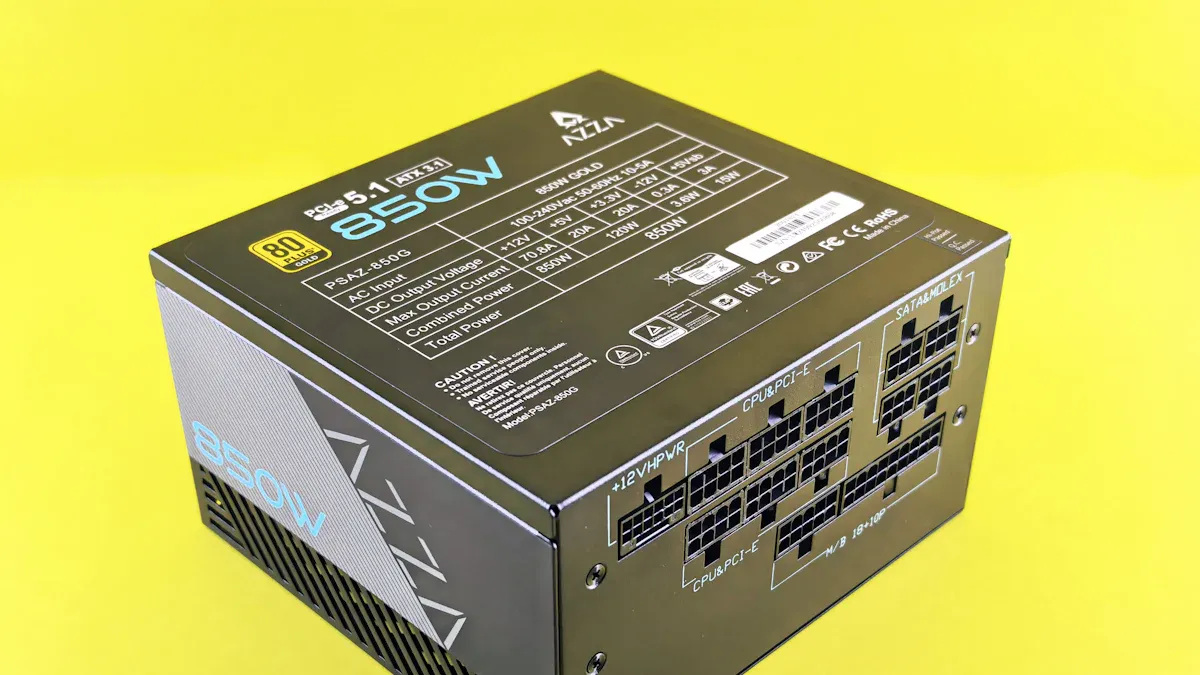
You need to know about RoHS compliance to do well. RoHS means "Restriction of Hazardous Substances." The RoHS directive sets tough rules for harmful materials in electronics. You must follow these rules to keep people and nature safe. RoHS certification shows your products meet these rules.
RoHS certification rules limit dangerous substances. You must keep these materials under the allowed amounts:
Lead (Pb): 0.1% by weight
Mercury (Hg): 0.1% by weight
Cadmium (Cd): 0.01% by weight
Hexavalent Chromium (Cr6+): 0.1% by weight
Polybrominated Biphenyls (PBB): 0.1% by weight
Polybrominated Diphenyl Ethers (PBDE): 0.1% by weight
Bis(2-Ethylhexyl) Phthalate (DEHP): 0.1% by weight
Benzyl Butyl Phthalate (BBP): 0.1% by weight
Dibutyl Phthalate (DBP): 0.1% by weight
Diisobutyl Phthalate (DIBP): 0.1% by weight
You must check every part of your product. Even tiny pieces must follow RoHS rules. RoHS certification helps you sell in new places and earn trust. You show you care about safety and the planet.
Tip: RoHS certification is required. You need it to sell automotive electronics in the EU and other places.
RoHS and CE Certification Link
RoHS compliance is closely tied to CE certification. You cannot get CE certification without meeting RoHS rules. The CE mark shows your product follows all EU rules, including RoHS. You must prove your product is safe and does not have banned substances.
Aspect | RoHS Compliance | CE Certification |
|---|---|---|
Requirement for CE Marking | Needed for CE marking of products | Shows you follow EU regulations |
Applicability | All electrical/electronic products | Products sold in the EEA |
Responsibility | Makers must ensure compliance | Maker says the product follows the rules |
You need RoHS certification to sell in Europe. CE certification covers safety, health, and the environment. RoHS compliance is a big part of these rules. You must keep records and update your paperwork to show you meet both certifications.
Note: If you skip RoHS certification, you can lose your chance to sell in Europe. You also risk fines and having to recall products.
RoHS Compliance Process
You must follow steps to get RoHS certification. Each step helps you meet the rules and avoid mistakes. You need to manage your suppliers, test your products, and keep good records.
Learn about RoHS compliance. Keep papers that show your products must follow RoHS rules.
Check your suppliers and parts. Ask for certificates and add RoHS rules to your deals.
Set up a RoHS-friendly way to make products. Train your team and update your tools to meet RoHS rules.
Test your products. Use XRF testing and solvent extraction to look for banned substances. Work with trusted labs and keep your results for checks.
Review your paperwork. Check bills of materials, drawings, and certificates. Keep records for at least 10 years.
Stay up to date on RoHS rule changes. Sign up for newsletters and go to meetings. Build a team to handle rules.
You must avoid common mistakes. Do not trust only what suppliers say. Check every part, even small ones. Change your process when rules change. Test your products often and watch your supply chain closely.
Documentation Type | Purpose |
|---|---|
Technical File | A full set of info about the product, needed for RoHS compliance. |
Declaration of Conformity (DoC) | A statement that the product meets all EU rules, including RoHS. |
Internal Production Control | A way to make sure the product meets substance limits. |
Compliance Records | Papers you must keep for at least 10 years to prove you follow the rules. |
RoHS certification helps you avoid fines and recalls. You build trust with customers and meet world standards. You show you care about safety and the planet. You also make your business stronger and ready for new places.
🚦 Tip: Keep your RoHS certification papers neat. Update them every time you change your product or process.
FCC Certification Explained
What is FCC Certification
FCC certification proves your electronics follow US rules. These rules are for radio signals and electronic noise. You need this if your device uses wireless or makes electronic noise. The FCC makes rules to keep people safe. It also stops devices from messing with each other.
You must know which products need FCC certification before selling in the US. The FCC puts devices into two groups:
Type of Radiator | Definition | Examples |
|---|---|---|
Devices that send out radio signals on purpose. | Wi-Fi routers, Bluetooth devices, remote controls, garage door openers. | |
Unintentional Radiators | Devices that make radio signals by accident when working. | IT equipment, audio-visual devices, power adapters, digital cameras. |
Many automotive electronics need FCC certification. These include:
Mobile phones
Wireless alarm systems
Computer equipment
Marine radars
Cellular boosters
Wireless chargers
Bluetooth devices
WiFi routers
Wireless medical telemetry transmitters
Garage door openers
If your products have wireless or digital parts, you must follow FCC rules to sell in the US.
Note: FCC certification stops interference and shows your products are safe.
FCC Certification for Automotive Electronics
Automotive electronics suppliers must follow FCC rules for every product sold in the US. The FCC has different rules for each device type. You need to know which rules fit your products.
Regulation Type | Description |
|---|---|
Unintentional Radiators | Vehicle electronics do not need some FCC 15B standards, but some receivers need approval under Part 15. |
Intentional Transmitters | All transmitters must be tested and approved, with special rules for each type. |
Whole Vehicle | The FCC does not set EMC rules for whole vehicles, including all powertrain types. |
EV Charging | On-board battery chargers must meet emission rules and get approval with a Supplier Declaration of Conformity. |
General Conditions of Operation | Vehicles must not cause bad interference, even if they do not need some technical rules. |
You must test transmitters like Bluetooth and WiFi chips to follow the rules. You also need to check unintentional radiators, like screens and control units, for noise. The FCC does not check the whole car, but every electronic part must follow the rules.
Tip: Always look up the newest FCC rules before making or importing automotive electronics.
How to Obtain FCC Certification
You must follow steps to get FCC certification for your automotive electronics. These steps help you follow all rules and avoid mistakes.
Find out which products need FCC certification. Check if your device uses wireless or makes electronic noise.
Get your products ready for testing. Make sure they follow power and emission rules.
Send your products to a lab for RF and EMC testing. Labs check wireless parts and test for electronic noise.
Collect technical papers. You need manuals, drawings, and test reports to show you follow the rules.
Label your products the right way. Every device must show the FCC ID and CE mark.
Send your papers to a Telecommunication Certification Body (TCB) for review. The TCB checks your papers and test results.
Test your products again if you change hardware, software, or wireless parts.
Requirement Type | Description |
|---|---|
RF Testing | Checks wireless features like Bluetooth and WiFi. |
EMC Testing | Checks for electronic noise and interference. |
Compliance with Power Limits | Makes sure the device follows power and emission rules. |
Technical Documentation | Includes manuals, drawings, and test reports to show you follow the rules. |
Correct Labeling | Devices must show the FCC ID and CE mark. |
Retesting | Needed if you change hardware, software, or wireless parts. |
The FCC certification process takes about 8 to 12 weeks. It costs about $3,000 to $5,000. If you need it faster, you can use a TCB for quick approval in 1 to 2 weeks.
🚦 Tip: Keep your technical papers updated. Test your products again after any changes.
FCC certification helps you sell in the US, follow safety rules, and earn customer trust. It shows you care about quality and following rules. You also avoid fines and product recalls.
Comparing Certifications
Key Differences
Automotive electronics suppliers must follow different rules. Each certification is for a certain area and has its own goal. The table below shows how CE, RoHS, and FCC certifications are not the same:
Certification | Region | Purpose | Key Considerations |
|---|---|---|---|
RoHS | EU | Lowers health and environmental risks from bad substances | Banned materials, checking supply chain, few exceptions |
FCC | US | Stops devices from causing electromagnetic problems | EMC testing, FCC ID needed, tougher rules for some transmitters |
CE | EU | Makes sure products are safe and work well in Europe | Checking conformity, keeping records, showing the CE mark |
RoHS is about keeping out harmful materials. FCC is about stopping electronic interference. CE is about safety, how well things work, and trading in Europe. Knowing these differences helps you get all the right certifications and sell worldwide.
Overlaps and Integration
Some certification steps are the same. You can do them together to save time. For example:
Both CE and RoHS need technical files and paperwork.
RoHS is part of CE certification for electronics in Europe.
FCC and CE both need EMC testing and proof your product meets emission rules.
You should keep good records and test your products for every rule. This helps you follow the law and makes people trust your products.
Managing Multiple Certifications
You can handle many certifications at once with smart planning. Try these ideas:
Make one process for all certification needs.
Use the same technical file for both CE and RoHS.
Plan EMC testing to meet FCC and CE rules.
Teach your team about new rules and paperwork.
This way, your products stay high quality and your work is more efficient. You spend less money, waste less, and can sell in more places. Doing this shows you care about safety and following the rules.
You need CE, RoHS, and FCC certifications to help your business grow. These certifications show you care about safety and quality. Customers trust your products more when you have these certifications. They pick your company over others. You can get better deals and contracts.
Best Practice | Why It Matters |
|---|---|
Leadership support | Makes following rules very important. |
Cross-functional teamwork | Helps all teams work together for one goal. |
Supplier engagement | Builds trust with everyone who helps make your products. |
Risk-based focus | Uses time and money where it matters most. |
Continuous training | Keeps your team ready for new rules. |
Internal and external audits | Finds problems early and builds trust with partners. |
Start working on your certifications now. This will help you find new customers and make your business stronger.
FAQ
What are the essential requirements for market access in automotive electronics?
You need certifications like CE, RoHS, and FCC. These show your products are safe and meet rules. They help you sell in new countries and join big markets.
Why does regulatory compliance matter for automotive electronics suppliers?
Following rules keeps your business safe from fines and recalls. It shows customers you care about safety and electric vehicle rules. Meeting these rules proves your products are certified.
How do technical standards affect product design?
Technical standards help you design automotive electronics the right way. You must follow them to get global certifications. They help you make safe products that pass important tests.
What is the reach regulation, and does it apply to automotive electronics?
Reach regulation controls chemicals in products sold in Europe. You must check your electronics for banned substances. This rule works with RoHS and other safety rules to keep people and nature safe.
Do electric vehicle standards require special certifications?
You must follow electric vehicle rules for parts like chargers and batteries. These rules work with global certifications. You need to meet key requirements to sell electric vehicle products.
See Also
Trusted Providers Of Automotive Electronics And Essential Accessories
The Importance Of OEM And ODM In Auto Electronics Production
Essential Car Accessories Every Vehicle Owner Should Have
Comparing SEMA With Other Auto Shows: The Leading Choice
Exploring Key Factors Behind Success In The Auto Parts Sector