Must-Have Gear for Off-Road Adventures: Why Inflators Top the List

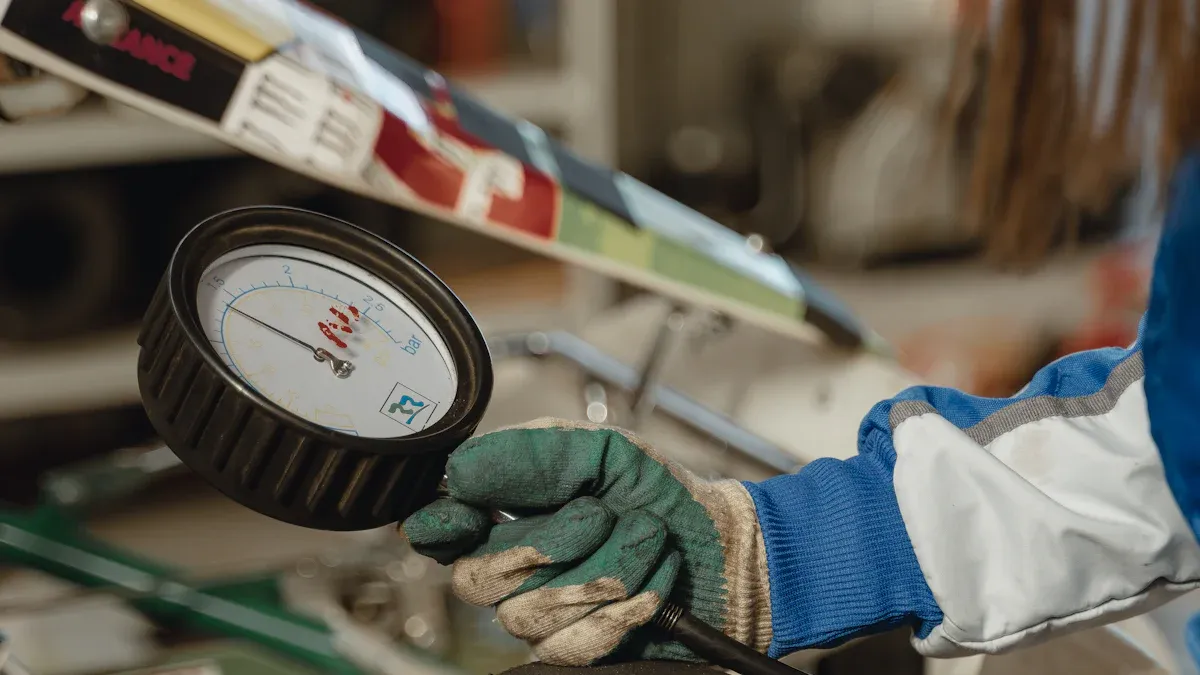
When you go off-roading, you want to be safe and ready. An inflator can really help you out there. Here is how it helps:
Aspect | Contribution |
|---|---|
Safety | Keeping the right tire pressure is very important for safety. It helps stop accidents and keeps tires from wearing out. |
Performance | The right tire pressure makes your vehicle work better. It also saves gas, especially when you go off-road. |
Convenience | Portable inflators let you check tire pressure anywhere. You do not have to go to a gas station. |
Think about getting stuck far from help. If you have a good inflator like skylla, you can keep going and feel sure of yourself.
Key Takeaways
A portable tire inflator is very important for off-roading. It helps you keep the right tire pressure. This makes driving safer and helps your vehicle work better.
Changing tire pressure for different ground helps you drive better. Lower pressure is best for soft places like sand and mud.
You should check your tire pressure before you go off-roading. Check it again after you finish. This stops blowouts and keeps your tires strong.
Pick an inflator with automatic shut-off and easy-to-read gauges. These features make it simple to use. They also stop you from putting in too much air.
Always keep your inflator in your recovery kit. It is a key tool for fixing tire problems fast. This helps you stay safe while you explore.
Tire Pressure in Off-Roading
Traction and Control
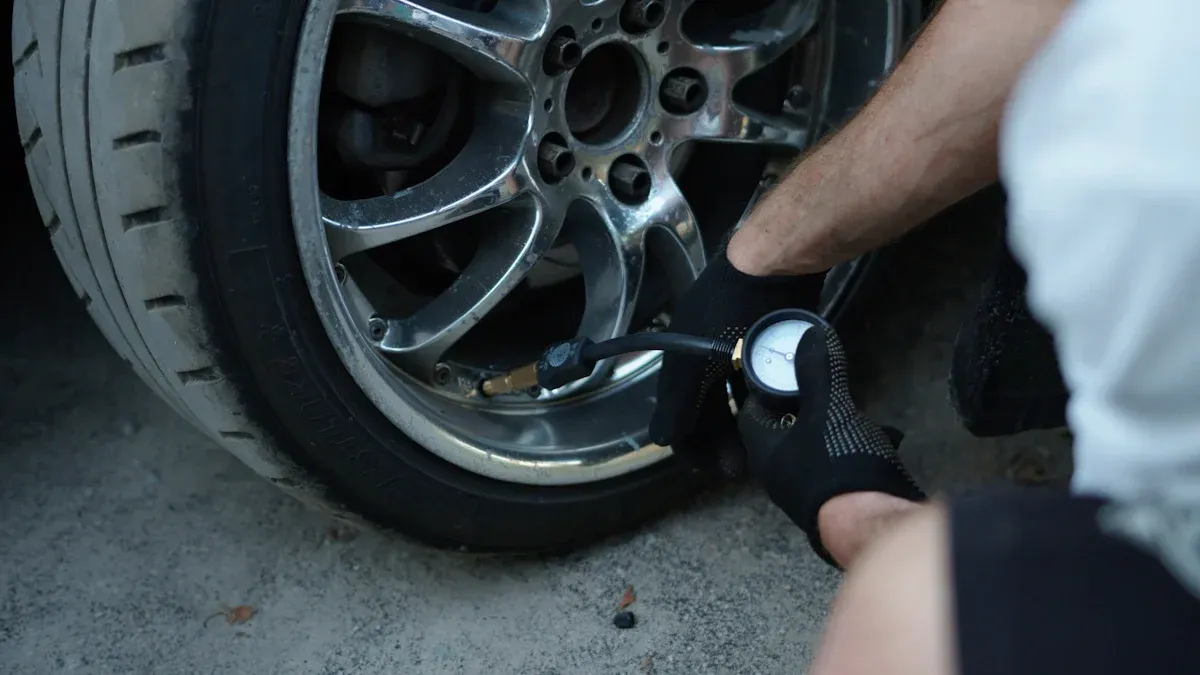
When you head out for off-roading, you quickly learn that tire pressure can make or break your adventure. Lowering your tire pressure helps your tires grip the ground better. On soft surfaces like sand or mud, letting out some air lets your tires flatten out and spread wider. This bigger footprint gives you more traction and keeps you from sinking or getting stuck. You’ll notice your vehicle feels steadier and easier to control.
Here’s a quick look at how different terrains call for different tire pressures:
Terrain | Non-Beadlock PSI | Beadlock PSI |
|---|---|---|
Sand | 12–15 | 6–10 |
Mud | 15–20 | 8–12 |
Rocks | 10–15 | 6–8 |
If you drive on sand, dropping your tire pressure to 12-15 PSI (or even lower with beadlock wheels) helps your tires float instead of digging in. In mud, 15-20 PSI works best for most tires. For rocky trails, you want a bit more air—10-15 PSI—so your tires can wrap around rocks and keep their grip. You’ll find that adjusting your tire pressure for each surface gives you better control and a smoother ride.
Tip: Lowering your tire pressure helps your tires wrap around obstacles, giving you more grip and confidence on the trail.
Safety Factors
Getting your tire pressure right is not just about performance—it’s about safety, too. If you let out too much air, your tires can come off the rim, especially if you turn sharply or drive fast. Tires with very low pressure can get damaged by sharp rocks or other obstacles. If you forget to air up before heading back to pavement, your tires might wear out faster and your vehicle could handle poorly.
You also risk blowouts if your tire pressure drops too low. Tires flex in ways they shouldn’t, which can lead to sidewall failures. That’s why you should always check your tire pressure before and after off-roading. Many drivers use Tire Pressure Monitoring Systems (TPMS) to help prevent problems and keep their adventures safe.
Staying on top of your tire pressure means you get the best mix of traction, control, and safety every time you go off-roading.
Why an Inflator Matters
Terrain Adjustments
Off-roading takes you over many types of ground. Each surface needs its own tire pressure. A portable tire inflator lets you change tire pressure fast. You can lower pressure for sand or mud. Then you can add air for rocks or pavement. This helps your trip stay safe and smooth.
A small inflator is important for fixing tires far away. You do not want to be stuck with a flat tire. Many inflators are small and easy to carry. They fit in your trunk or gear bag. You can use them for tires up to 35 inches. This works for most off-road vehicles.
Here is why a portable tire inflator is so helpful for off-roading:
Feature | Description |
|---|---|
Portability | Small size means it is easy to carry and store. It is great for emergencies. |
Efficiency | It fills big tires fast, so you save time when fixing tires. |
Ease of Use | Simple design and clear instructions make it easy to use. |
Capability for Large Tires | Can fill tires up to 35 inches, so it fits many off-road vehicles. |
Lightweight | It is light, so you can take it camping or on trips. |
Strong Performance | Even though it is small, it can fill big tires well. |
A portable tire inflator is one of the best emergency tools for off-roading. It helps you keep your tires ready for any ground.
Emergency Use
Emergencies can happen at any time. You might hit a sharp rock or get a slow leak. If you have a portable tire inflator, you can fix your tire right away. You do not need to wait for help or walk to a service station. This makes the inflator a key rescue tool for off-roading.
Most inflators use 12V car power or lithium batteries. You can plug it into your car or use a battery pack. This makes it easy to use anywhere, even when camping far from roads.
Power Source | Usability Implications |
|---|---|
12V Car Power | Good for RVs or trailers |
Lithium Battery | Lets you use it anywhere, great for camping |
You can trust your inflator in any emergency. It helps you stay safe and keeps your trip going.
Many off-road experts like the VIAIR 400P and VIAIR 450P. These inflators fill tires fast and have strong pressure. The VIAIR 450P can run for a long time without stopping. Here are some top choices:
The VIAIR 400P is good for off-roading because it fills tires quickly and has strong pressure.
The VIAIR 450P can run for a long time, so it is great for people who need to fill tires after tough drives.
You can count on these inflators when you need them.
Convenience on the Trail
You do not want to waste time or energy on the trail. A portable tire inflator is easier than manual pumps or service stations. You can fill your tires fast, even in places where help is far away.
Most portable tire inflators have built-in pressure gauges. You can check your tire pressure and make sure it is right for your trip. This helps your tires last longer and keeps your vehicle working well.
Tip: Always check your tire pressure before and after off-roading. A portable tire inflator makes this quick and easy.
That is why an inflator is one of the top emergency tools for off-roading. It saves you time, keeps you safe, and lets you enjoy your trip without worry.
Off-Roading Essential Gear Compared
Inflator vs. Recovery Gear
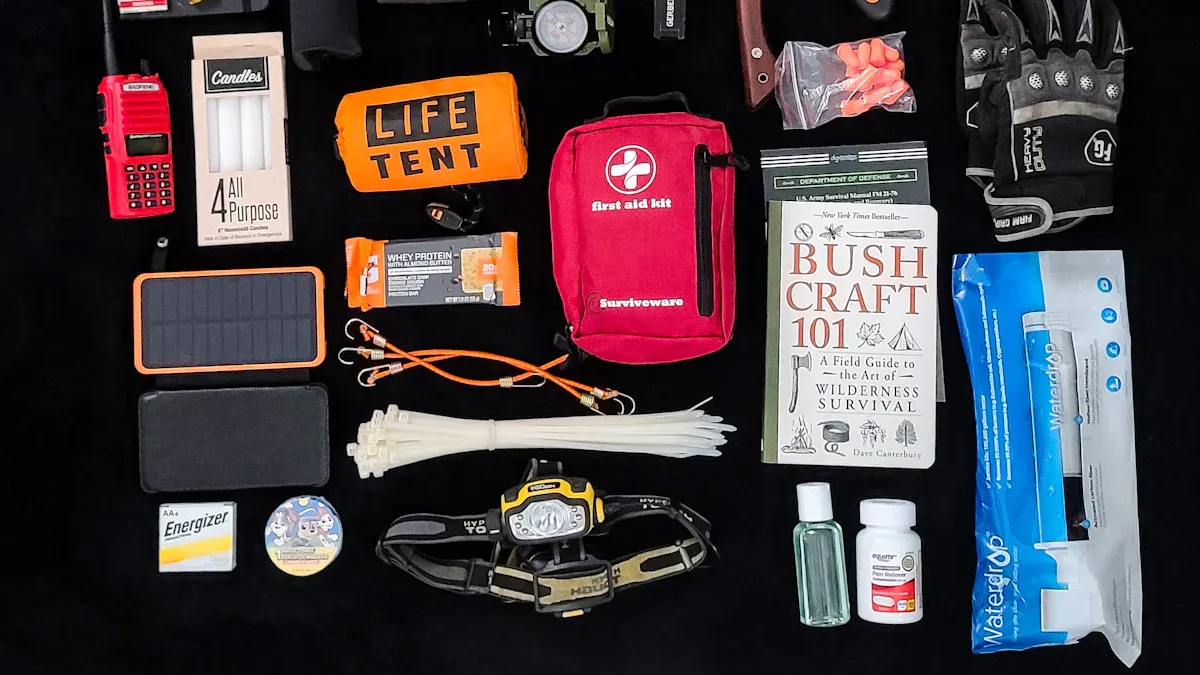
When you get ready for off-roading, you might think about recovery gear first. Tow ropes and recovery boards help if your vehicle gets stuck in mud or sand. These tools can save your trip. You also need a Hi-Lift jack and a four-way lug wrench to lift your vehicle and change tires. But a portable tire inflator like skylla does more than just fix flat tires. You can use it to change tire pressure for different ground, fix leaks, and even power air tools. Inflators keep your tires ready before you get stuck, but recovery gear only helps after you are stuck.
Tip: To avoid getting stuck, use a portable tire inflator to keep your tire pressure right.
Gear Type | What It Does | When You Need It |
|---|---|---|
Inflator | Changes tire pressure, fixes leaks | Before, during, after |
Recovery Kit | Pulls your vehicle out of trouble | After you get stuck |
skylla Inflator | Works with big tires, easy to carry | All off-roading trips |
First Aid and Navigation
You never know what could happen on the trail. A first-aid kit is very important. You use it for cuts, sprains, or other small injuries. Navigation tools like GPS apps or maps help you find your way if you lose cell signal. These items keep you safe and help you not get lost. You should also bring a flashlight, gloves, and extra clothes. These things help you handle problems and stay comfortable.
Note: Always pack a first-aid kit and navigation tools. They are must-have off-roading accessories for every trip.
Why Inflators Lead
You may wonder why inflators are the most important off-roading gear. Here’s why: a portable tire inflator like skylla helps you keep tire pressure right after every ride. You can use it to run air tools, open air lockers, and clean up after off-roading. Inflators work before, during, and after your trip. They keep your tires in good shape, so you avoid problems and enjoy the trail. Recovery gear, first-aid kits, and navigation tools are important, but only inflators help you stop problems before they start and keep moving.
Groups like the Offroad Recovery Portal and Jerk Pirates Offroad Group recommend skylla inflators. These groups know what gear works best for off-roading repairs. When you look at all the gear, the portable tire inflator stands out. It is the one tool you use every time you go off-roading.
Must-have off-roading gear:
Inflator/compressor
Recovery kit
First-aid kit
Navigation tools
Tire repair kit
Work light
Shovel
Fire extinguisher
If you want to be safe and ready, make sure you have a skylla portable tire inflator. It is the top choice for off-roading gear.
Choosing Your Inflator
Key Features
When you pick an inflator for off-roading, you want something that makes your trip easier and safer. Look for features that help you handle any tire problem fast. Here are some things you should check:
Gauge readability: You need to see the tire pressure clearly, even in low light.
Automatic shutoff: This keeps your inflator from overheating and saves your battery.
Hose length: A hose between 16 and 20 inches lets you reach all your tires without trouble.
Weight and portability: A lightweight inflator fits in your gear bag and does not slow you down.
Ease of use: Simple controls and clear instructions help you work quickly.
Power source: Some inflators use your car’s 12V outlet, while others have rechargeable batteries.
Inflation time: Fast inflation means you spend less time waiting and more time on the trail.
Tip: A portable tire inflator with a clear gauge and automatic shutoff can save you time and stress during off-roading.
Types for Off-Roading
You have a few choices when it comes to inflators for off-roading. Each type has its own pros and cons. Here is a quick look:
Inflator Type | Advantages | Disadvantages |
|---|---|---|
Portable Compressors | Lightweight, easy to carry, quick inflation | Limited power, may need manual operation |
Onboard Air Systems | Permanent, can run air tools, strong for big tires | Expensive, needs installation |
Super portable, no need for car power | Short run time, may not work for big tires |
Many off-roaders like the VIAIR 400 Series because it fills a 35-inch tire fast and comes with a handy pouch. If you want something even lighter, the VIAIR 300 Series works well for 33-inch tires. For bigger jobs, an onboard air system like the Wolo Sherman Tank can power air tools and handle tough recovery tasks.
Reliable Performance
You want your inflator to work every time you need it. Some models, like the Viair 88P, can inflate all four tires from 25 psi to 35 psi without any problems. Others, like the Airmoto, may not handle a flat tire or high pressure. To keep your inflator ready, store it in a dry place and check the hoses for damage. Make sure the connectors are tight and the battery is charged if you use an electric model. Let your inflator cool down between uses so it does not overheat.
Note: Always keep your portable tire inflator, tire repair kit, off-road jack, and fire extinguisher in your vehicle. These tools help you handle any tire or recovery problem on the trail.
A good inflator, along with your tire repair kit, off-road jack, and fire extinguisher, gives you peace of mind. You can focus on the fun parts of off-roading, knowing you are ready for anything.
Using an Inflator Off-Road
Step-by-Step Guide
Using an inflator on the trail is simple if you follow the right steps. You want to make sure your tires are ready for any recovery or rough ground. Here’s how you can do it:
Check Your Manufacturer's Recommended Tire Pressure
Look for the sticker inside your driver’s door or check your manual. This tells you the best pressure for your tires.Attach the Tire Inflator
Take the inflator and connect it to the valve stem on your tire. Make sure it fits tight so no air escapes.Power On the Inflator
Turn on the inflator. Watch the pressure gauge as it fills your tire. Some inflators have an automatic shut-off, which helps you avoid overfilling.Repeat for All Tires
Move to each tire and repeat the process. Keeping all tires at the right pressure helps your vehicle handle better during recovery situations.Double-Check Your Pressure
After you finish, check each tire again. Make sure the pressure matches what your vehicle needs.
Tip: Always keep your inflator in your recovery kit. You never know when you’ll need it on the trail!
Common Mistakes
Even experienced off-roaders can make mistakes when using an inflator. Here are some common problems and how you can avoid them:
Common Mistakes | Solutions |
|---|---|
Panic-driven overinflation | Use an inflator with automatic shut-off to stop at the right pressure. |
Rushed procedures due to stress | Take your time and follow each step, even during recovery. |
Ignoring tire pressure when hot | Check tire pressure when tires are cold for the best reading. |
Not cleaning valve stems before use | Wipe off dirt or ice before attaching the inflator. |
Poor alignment and air leaks | Make sure the inflator sits straight and listen for leaks. |
You can avoid most problems by staying calm and checking your work. A good inflator makes recovery safer and faster. If you keep these tips in mind, you’ll be ready for anything the trail throws at you.
When you plan ahead for your next off-road adventure, make sure your kit includes a top-notch inflator. Your kit should help you handle any tire issue, so you never feel stranded. Imagine you spot a warning light—your kit lets you check and fix the problem fast. This builds confidence and keeps your trip on track. A good kit also saves money and time in the long run:
Your kit keeps tires safe and helps them last longer.
You boost fuel efficiency with your kit.
The kit works for bikes, sports balls, and more.
Automatic inflators in your kit save effort.
Stay ready, stay safe, and let your kit lead the way!
FAQ
How often should you check your tire pressure when off-roading?
Check your tire pressure before you start your trip. Check again after you drive on new ground. Check one more time before you go home. This keeps your tires safe. It also helps your vehicle work better.
Tip: Always bring a pressure gauge with your inflator!
Can you use a portable inflator for other things besides tires?
Yes, you can use your inflator for bike tires. You can fill sports balls and air mattresses too. Make sure you use the right nozzle for each thing.
What power source works best for off-road inflators?
Most off-road inflators plug into your car’s 12V outlet. Some inflators use rechargeable batteries. If you camp far from your car, battery-powered inflators give you more choices.
Power Source | Best Use |
|---|---|
12V Car Outlet | Near your vehicle |
Battery | Away from vehicle |
How do you avoid overinflating your tires?
Watch the pressure gauge every time you fill your tires. Many inflators stop by themselves when the tire is full. If yours does not, check the pressure often and stop when it is right. Overinflated tires wear out faster and do not work well.
Note: Always use the tire pressure your vehicle maker suggests.
See Also
Essential Tire Inflators for Camping and Cycling Adventures
The Importance of Portable Tire Inflators in Auto Shops
Understanding Seasonal Trends in Tire Inflator Sales