Reducing Downtime: The Role of Tire Inflators in Fleet Maintenance

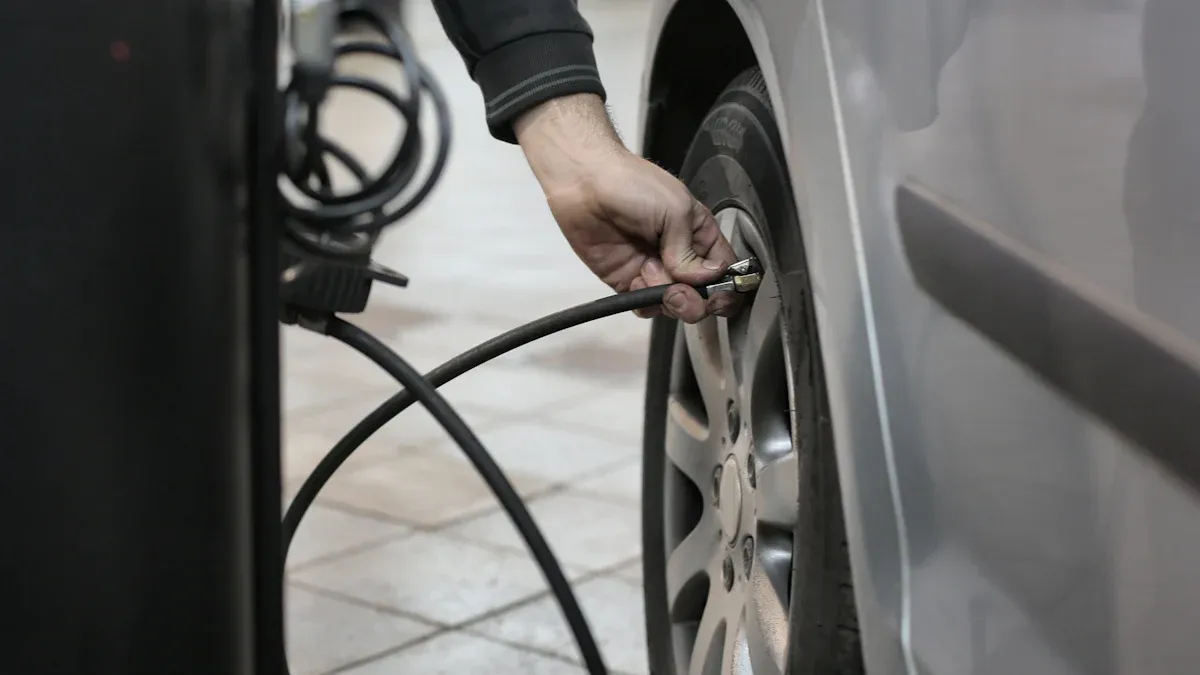
Fleet downtime hurts your work and money. You can fix this problem with regular checks and tire care. Good tools from Tire Inflators wholesale help your vehicles stay on the road.
Taking care of tires makes things safer and keeps your fleet going.
Key Takeaways
Check tire pressure often to stop breakdowns. Use a tire inflator before each trip to keep your fleet safe.
Make a habit of caring for tires. Check tires every day and write down each check to find problems early.
Use tire inflators to help save fuel. Tires with the right air use less fuel and save money.
Buy good tire inflators. Pick tools that work well for correct readings and last a long time.
Teach your team about tire care. Show staff how to use inflators and check tires to keep the fleet safe.
Reduce Fleet Downtime with Tire Inflators

Skylla S4 12V 10000mAh 140psi Portable Multifunctional Solar Tire Inflator & Jump Starter
You want your fleet to stay on the road. Tire inflators help you reduce fleet downtime by keeping tires at the right pressure. When you check tire pressure often, you stop problems before they start. Low tire pressure can cause blowouts or flats. These issues lead to breakdowns and lost time.
Tip: Use a tire inflator before every trip. This simple step helps you reduce fleet downtime and keeps your vehicles safe.
A tire inflator lets you spot trouble early. You can fix small leaks or slow pressure drops. You avoid big repairs and keep your fleet moving. Many fleet managers use a checklist for tire care. This checklist includes checking pressure, looking for damage, and using a tire inflator when needed.
Here is a quick table to show how tire inflators help you prevent breakdowns:
Problem | Tire Inflator Solution | Result |
|---|---|---|
Low Pressure | Inflate to correct level | Reduce fleet downtime |
Slow Leak | Detect and fix early | Reduce fleet downtime |
Uneven Wear | Adjust pressure regularly | Reduce fleet downtime |
You see that using a tire inflator helps you reduce fleet downtime in many ways. You spend less time fixing tires and more time on the road.
Enhancing Fleet Uptime
You want your fleet to work as much as possible. Tire inflators help you reduce fleet downtime and boost uptime. When tires have the right pressure, your vehicles run better. You get smoother rides and fewer stops for repairs.
You can set up a routine for tire checks. This routine uses tire inflators to keep every tire at the best pressure. You save time because you do not wait for problems to happen. You act before issues grow.
Check tire pressure every morning.
Use a tire inflator for quick fixes.
Record each check in a logbook.
These steps help you reduce fleet downtime and keep your vehicles ready for work. You also save money because you avoid emergency repairs. Your drivers feel safer and more confident.
Note: A tire inflator is a small tool, but it makes a big difference. You reduce fleet downtime and keep your fleet strong.
You can see that tire inflators are key tools for fleet managers. They help you reduce fleet downtime, prevent breakdowns, and improve uptime. You get more work done and spend less on repairs.
Fleet Maintenance and Tire Health
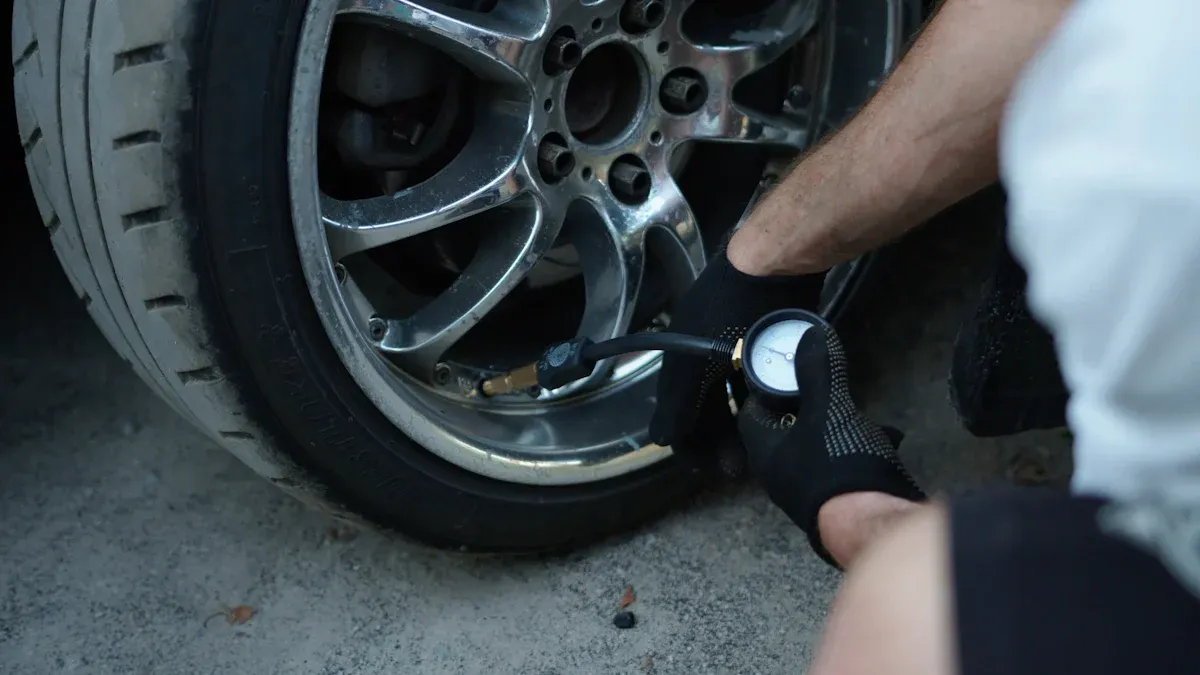
Importance of Proper Tire Inflation
You keep your fleet safe and efficient when you focus on proper tire inflation. Tires with the right air pressure grip the road better. Your drivers feel more confident behind the wheel. You lower the risk of accidents and tire blowouts. When tires have too little or too much air, they wear out faster. You spend more money on replacements and repairs.
A tire inflator helps you reach the correct pressure every time. You avoid uneven wear and save fuel. Here is a simple table to show the benefits of proper tire inflation:
Tire Pressure | Result |
|---|---|
Too Low | More wear, less safety |
Too High | Hard ride, quick wear |
Just Right | Best grip, long life |
Tip: Check tire pressure when tires are cold. You get the most accurate reading.
You see better performance and longer tire life when you use a tire inflator regularly. Your fleet stays on the road and you avoid costly downtime.
Routine Checks and Preventive Maintenance
You build a strong fleet with routine checks. You spot problems early and fix them before they grow. Preventive maintenance means you do not wait for tires to fail. You check tread depth, look for cuts, and measure air pressure often.
Try these steps for better tire health:
Inspect tires every week.
Use a tire inflator to adjust pressure.
Record each check in a logbook.
Replace damaged tires right away.
You teach your team to follow these steps. Everyone knows what to do and when to do it. Your fleet runs smoother and you save money on repairs.
Note: Preventive maintenance helps you avoid surprises. You keep your vehicles ready for work.
Routine checks and proper tire inflation work together. You keep your fleet safe, lower costs, and reduce downtime.
Cost and Efficiency Benefits
Lowering Maintenance Costs
You want to keep your fleet running without spending too much money. Tire inflators help you lower maintenance costs. When you check tire pressure often, you catch problems early. You avoid expensive repairs and stop breakdowns before they happen. Regular maintenance keeps your vehicles on the road and helps you plan for cost savings.
Here is a simple list to show how tire inflators help you save money:
Fewer breakdowns mean less money spent on emergency repairs.
Early detection of tire issues leads to lower maintenance bills.
Routine maintenance helps you avoid buying new tires too soon.
Tip: Use a tire inflator as part of your daily maintenance routine. You will see more cost savings over time.
Improving Fuel Economy
You can improve fuel economy by keeping tires at the right pressure. Under-inflated tires make your vehicles work harder. This leads to more fuel use and more breakdowns. Tire inflators help you keep every tire at the best pressure for your fleet.
Tire Pressure | Fuel Use | Risk of Breakdowns |
|---|---|---|
Too Low | High | High |
Just Right | Low | Low |
You get better fuel economy and more cost savings when you use tire inflators. Your fleet travels farther on less fuel. You also reduce the chance of breakdowns on the road.
Extending Tire Life
You want your tires to last as long as possible. Tire inflators help you extend tire life by keeping pressure steady. Good maintenance stops uneven wear and lowers the risk of breakdowns. You spend less money on new tires and see more cost savings.
Note: Regular maintenance and tire inflators work together to keep your fleet strong.
You can set up a schedule for tire checks. This schedule helps you spot problems before they cause breakdowns. Your tires last longer, and you save money on replacements.
Technology in Preventive Maintenance
Tire Pressure Monitoring Systems
You want to keep your fleet safe and on the road. Tire monitoring systems help you do this. These systems check tire pressure all the time. You get alerts when a tire drops below the right level. You can fix problems before they cause a breakdown.
Tire monitoring systems use sensors inside each tire. These sensors send information to a screen in your vehicle. You see the tire pressure for every wheel. You do not need to stop and check each tire by hand. You save time and avoid mistakes.
Tip: Set up tire monitoring systems for every vehicle in your fleet. You will spot issues early and reduce unplanned downtime.
Here is a table to show how tire monitoring systems help you:
Feature | Benefit |
|---|---|
Real-time alerts | Quick fixes |
Easy tracking | Less downtime |
Accurate readings | Safer driving |
You can trust tire monitoring systems to keep your fleet running smoothly.
Data-Driven Tire Management
You can use data to make smart choices for your fleet. Tire monitoring systems collect information about tire pressure and tire health. You can look at this data to find patterns. You may see which tires lose air faster or which vehicles need more care.
Smart tire inflators work with tire monitoring systems. You can set them to fill tires to the exact pressure needed. You do not guess or use old tools. You get better results and fewer problems.
Review tire pressure data every week.
Plan maintenance based on real numbers.
Replace tires before they fail.
Note: Data-driven tire management helps you save money and keep your fleet safe.
You use tire monitoring systems and smart inflators together. You get more uptime and less risk. Your fleet stays strong and ready for work.
Tire Inflators Wholesale: Choosing the Right Solution
Manual vs. Automated Inflators
When you shop for tire inflators wholesale, you find two main types. Manual inflators need you to check and add air by hand. You use a gauge and pump air until the tire is ready. This way works well for small fleets or if you want more control. Automated inflators use sensors and digital buttons. You set the pressure you want, and the machine fills the tire for you. This saves time and helps you make fewer mistakes.
Here is a quick comparison:
Type | How It Works | Best For |
|---|---|---|
Manual | Hand-operated, uses gauge | Small fleets, low cost |
Automated | Digital, self-adjusting | Large fleets, accuracy |
Tip: Automated inflators help you keep tires at the right pressure with less work.
Think about how big your fleet is and how often you check tires. If you want things done fast and right, automated inflators from tire inflators wholesale make your job easier.
Quality and Reliability Factors
You want tire inflators wholesale that last and work well. Quality is important because your fleet uses these tools every day. Look for inflators made with strong materials. Metal parts last longer than plastic ones. Reliable inflators give you good readings and steady results.
Check for these features:
Strong build
Easy-to-read gauges or screens
Safety shut-off
Good warranty and support
Note: High-quality tire inflators wholesale help you avoid downtime and save money over time.
You should ask other fleet managers what they think. Reviews and ratings help you pick the best tire inflators wholesale for your needs. When you choose the right tools, you keep your fleet safe and ready to work.
Best Practices for Fleet Maintenance
Scheduled Tire Inspections
You keep your fleet safe by checking tires often. Make a plan to inspect tires on every truck or van. Look for damage, low pressure, or worn spots. Use a tire inflator to fix problems right away. This helps stop tire problems before they get worse. You can prevent blowouts by finding issues early. Write down each inspection in a logbook. This helps you see patterns and plan repairs.
Tip: Always use a checklist when you inspect tires. This way, you do not forget any steps.
Inspection Step | Purpose |
|---|---|
Check tire pressure | Prevent tire blowouts |
Look for damage | Reduce tire problems |
Measure tread depth | Avoid tire-related breakdowns |
Staff Training and Accountability
Teach your team how to use tire inflators the right way. Show them how to find and fix tire problems. Explain why tire care is important for the fleet. Set clear rules for who checks tires and when. Check their inspection logs to make sure they do the job. Praise good work and help fix mistakes. This helps stop blowouts and keeps your fleet moving.
Train staff to use tire inflators.
Check inspection records every week.
Set goals to have fewer tire problems.
Note: Training your team helps keep your fleet strong.
Proactive Tire Management
Plan ahead with a tire care program. Do not wait for tires to fail. Set up regular inspections and use data from your fleet system. Change tires before they cause trouble. Use tire inflators to keep pressure just right. Focus on fixing problems early, not after they happen. This helps stop blowouts and keeps your fleet working.
Plan inspections every month.
Use tire inflators at every check.
Track tire health with a fleet app.
You will have fewer tire problems and more time on the road. Your fleet stays safe and you save money in the long run.
You can keep your trucks on the road longer with automated tire inflation. Checking trucks often helps you find problems early. Predictive maintenance lets you plan repairs before trucks break down. Automated tire inflation keeps trucks ready for work every day. You save money and your fleet keeps moving. Use predictive maintenance to watch tire health closely. Automated tire inflation works best when used on all trucks. You lower downtime and make your fleet safer. For good tire care, follow a set schedule. Predictive maintenance and automated tire inflation help you avoid downtime. These tools keep your trucks working.
Take a moment to look at your fleet’s tire care plan. Switch to automated tire inflation and use predictive maintenance to cut down on downtime.
FAQ
How often should you check tire pressure in a commercial fleet?
You need to check tire pressure every day. Make this part of your fleet maintenance routine. Use fleet management software to set reminders. This habit helps you find problems early. It also supports good tire maintenance.
What is the best way to track tire maintenance for a fleet?
Fleet management software helps you track tire maintenance. You can record inspections, repairs, and replacements in the software. It helps you plan fleet maintenance. Your commercial fleet runs better and smoother.
Why is fleet management software important for fleet maintenance?
Fleet management software gives you real-time data. You can schedule tire maintenance and track repairs. It lets you watch tire health for every vehicle. This tool helps you save money and improve fleet maintenance.
How do tire inflators help with fleet maintenance?
Tire inflators keep tires at the right pressure. You use them during routine tire maintenance. Fleet management software reminds you when to check tires. This helps you avoid breakdowns and keeps fleet maintenance strong.
Can fleet management software help reduce downtime?
Yes, fleet management software tracks tire maintenance and schedules repairs. It sends alerts so you can spot issues early. This system helps you avoid downtime and keeps your vehicles on the road.
See Also
Maximizing Profit Margins by Selling Tire Inflators
The Importance of Upselling Portable Tire Inflators in Auto Shops
Understanding Seasonal Trends for Tire Inflator Sales
Tire Inflators Versus Air Pumps: Key Differences Explained
Simple Explanation of Tire Inflator and Air Pump Differences