How to Evaluate Tire Inflator Factories: Certification, MOQ, and Quality Control Tips

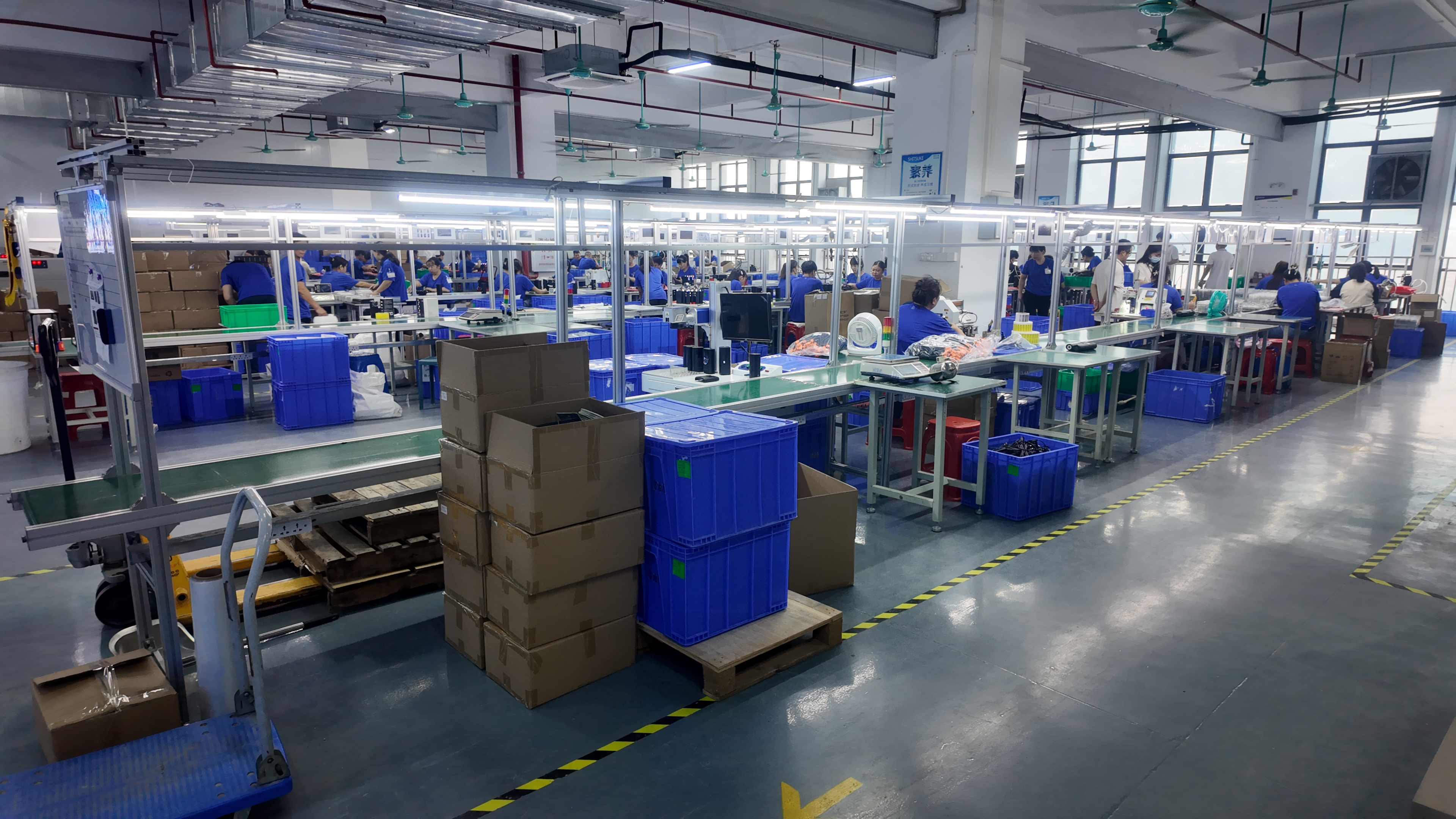
You need to evaluate tire inflator factories by checking certifications, minimum order quantities, and robust quality control. Global compliance with safety and environmental standards ensures you receive reliable products that meet market requirements. When manufacturers follow international regulations, they not only protect users during road emergencies but also deliver consistent quality. Choosing a supplier with a proven track record in these areas increases your confidence in every Tire Inflator you purchase.
Key Takeaways
Check for certifications like ISO and SAE to ensure tire inflators meet safety and quality standards.
Understand minimum order quantities (MOQ) to align supplier capabilities with your business needs.
Request detailed quality reports and conduct factory audits to verify the supplier's quality control processes.
Evaluate the supplier's production capacity to ensure they can meet your demand without delays.
Watch for red flags like missing certifications or poor communication to avoid unreliable suppliers.
Certifications for Global Compliance

Key Standards (SAE, ISO, ECE)
You must prioritize tire inflator factories that meet internationally recognized standards. These standards ensure that products comply with safety, environmental, and performance requirements in major markets. The most important standards include SAE for automotive engineering, ISO for quality management, and ECE for European compliance. Each standard addresses specific aspects of tire inflator design, manufacturing, and testing.
The following table highlights the most recognized certifications and the regions where they apply:
Certification | Region |
|---|---|
ISO | International |
CCC | China |
DOT | USA |
ECE | Europe |
EU LABELING | Europe |
EAC | Russia |
INMETRO | Brazil |
NOM | Mexico |
CNAS | China |
CHAS | China |
BIS | India |
SONCAP | Nigeria |
SABS | South Africa |
SNI | Indonesia |
GSO | Middle East |
SASO | Saudi Arabia |
You should also look for ISO 9001, which specifies requirements for quality management systems. IATF 16949-2016 covers technical specifications for automotive sector quality management systems. These standards are essential if you want to work with original equipment suppliers.
Tip: Always ask suppliers to provide documentation for each certification. This step helps you confirm that their products meet the standards required for your target market.
Verifying Certification Authenticity
You need to verify the authenticity of certification documents before placing any orders. Many factories claim compliance, but only a few can prove it. You should follow a systematic approach to confirm legitimacy.
Here are the steps you can take:
Conduct supplier audits. Audits give you insight into manufacturing processes and quality control.
Request quality reports. These reports should include results from testing methods and certifications.
Engage third-party inspection services. Independent inspectors provide unbiased assessments of quality control.
The table below outlines how manufacturers and regulatory agencies handle certification verification in the United States:
Step | Description |
|---|---|
1 | Manufacturers self-certify compliance by marking the DOT code on tires. |
2 | NHTSA does not conduct pre-sale testing or approval of tires. |
3 | NHTSA performs random enforcement checks on sold tires to verify compliance. |
4 | If tires fail compliance tests, manufacturers must recall and remedy the issues. |
You should establish a clear quality assurance process with your supplier. Request documentation of quality control procedures, conduct regular audits, and consider third-party inspections before shipment.
Supplier Location and Compliance
Supplier location plays a critical role in compliance with international standards. Geographic location determines which regulatory frameworks a factory must follow. Regions with strict regulations, such as Europe and the United States, often require advanced tire inflator solutions and higher compliance costs. Suppliers in less regulated areas may offer more flexibility, but they risk non-compliance in global markets.
Stricter emissions standards and safety mandates drive the adoption of smart tire inflation technology.
Regulatory frameworks promote the integration of advanced features for compliance.
Market growth depends on a supportive regulatory environment.
Procurement patterns now favor long-term partnerships with suppliers who maintain compliance with international standards. You should focus on technological leadership and sustainable growth when selecting a factory. These factors help you ensure that your tire inflators meet the requirements of every market you serve.
Tire Inflator MOQ Assessment
Understanding MOQ Policies
You need to understand moq policies before you select a tire inflator supplier. Factories set a minimum order quantity to balance production costs and inventory management. The moq for tire inflator products varies by region and supplier. Some factories offer flexible terms for hybrid charger-inflator combos, while others require higher moq for custom designs. The table below shows typical moq ranges for tire inflator factories:
Supplier Name | Minimum Order Quantity (MOQ) | Notes |
|---|---|---|
Zhejiang Altertool Technology Inc. | 300 units | Accepts lower moqs for hybrid charger-inflator combos |
Chengdu Chendian | 1,000+ units | Requires higher moqs for fully bespoke designs |
You should match your business needs with the supplier’s moq policy. If you plan to launch a new tire inflation system, start with a supplier that offers lower moq to reduce risk.
Negotiating Favorable MOQ Terms
You can negotiate better moq terms by using proven strategies. Suppliers often lower moq if you offer favorable payment terms, such as paying in advance or committing to faster payment cycles. Building a strong relationship with your supplier helps foster trust and transparency. You may offer to pay a higher price per unit to compensate for smaller orders. Proposing a trial order can demonstrate market potential and ease supplier concerns.
Tip: Present a detailed plan for future orders. Include your project roadmap and reassure suppliers of guaranteed future business. This approach often persuades them to lower the moq for your tire inflator products.
Evaluating Production Capacity
You must evaluate the factory’s production capacity to ensure they can meet your tire inflator demand. Start by identifying bottlenecks in the tire inflation system assembly line. Observe where work-in-progress accumulates and time cycle times. Verify staffing levels to ensure adequate coverage. Check changeover processes and conduct maintenance inspections to confirm uptime. Review quality metrics and calibration of instruments to maintain standards. Assess upstream components and kitting processes for completeness and capacity.
A reliable factory adapts to changing order volumes and supports your growth. You should choose a supplier with flexible production for your tire inflator and tire inflation system needs.
Tire Inflator Quality Control Measures

Requesting Quality Reports
You should always request detailed quality reports from your tire inflator supplier. These reports help you understand how the factory manages control throughout the production process. Quality reports include information about raw material inspection, in-process control, and final product testing. You need to check if the supplier uses advanced testing equipment and follows strict control protocols. Ask for documentation that shows how the factory tracks performance and resolves any issues. Reliable suppliers provide reports that cover every stage of production, from initial material selection to final product shipment.
Note: Requesting quality reports is your first step in verifying that the supplier uses effective control methods. These reports reveal how well the factory maintains product consistency and meets your standards.
Conducting Factory Audits
You should conduct regular factory audits to assess the effectiveness of control systems. A factory audit allows you to observe the supplier’s operations and verify that they follow proper quality control measures. During an audit, you can review the control procedures for assembly, calibration, and testing. You should check if the factory uses standardized control checklists and maintains accurate records. Audits also help you identify areas where the supplier can improve control and performance. You may choose to perform audits yourself or hire third-party experts for an unbiased evaluation.
A successful factory audit covers these key areas:
Control of incoming materials
In-process control during assembly
Final product testing and control
Documentation and traceability of control actions
Staff training and control awareness
You should schedule audits at regular intervals to ensure the supplier maintains high standards. Consistent audits help you catch problems early and prevent control failures that could affect product performance.
Reviewing Test Results and Performance Data
You need to review test results and performance data before accepting any shipment of tire inflators. Testing verifies that each product meets your control requirements and performs as expected. You should ask for detailed testing records, including results from pressure, durability, and safety tests. Performance data shows how well the tire inflator works under different conditions. You must check if the supplier uses modern testing methods, such as non-contact pressure identification, which reduces maintenance costs and improves accuracy.
The following table highlights key performance indicators you should review in tire inflator test results and performance data:
Key Performance Indicator | Impact on Performance | Source |
|---|---|---|
Fuel Efficiency | Properly inflated tires can reduce fuel consumption by up to 4%. | Smart Tires in 2025 |
Safety | Smart tire systems improve vehicle safety by 87% through better load management. | Smart Tires in 2025 |
Tire Management | Maintaining correct tire pressure is essential; a drop of five PSI can negate benefits of advanced designs. | Smart Tires in 2025 |
Tire inflation pressure affects vehicle performance and safety.
Traditional pressure identification methods have limitations, such as high maintenance costs.
New non-contact methods, like Tire-YOLO, offer improved testing accuracy and lower maintenance.
You should compare the supplier’s performance data with industry benchmarks. Look for consistent testing results that show the tire inflator meets your control standards. Reliable performance data helps you make informed decisions and ensures your products deliver the expected quality.
Tip: Always request recent test results and performance data for every batch. This practice helps you maintain strict control over product quality and performance.
Car Air Pump Sample Evaluation
Requesting and Testing Samples
You should always request samples before you commit to a large order of car air pump products. Sampling helps you check the actual build quality and performance. Ask your supplier to send several units from different production batches. This step gives you a better sense of consistency. When you receive the car air pump samples, start with a visual inspection. Look for any defects, loose parts, or poor finishes. Next, move to functional testing. Plug in the car air pump and check if it powers on quickly. Test the controls and display for clear readings. You should also check the accessories, such as hoses and adapters, to ensure they fit and work as described.
Tip: Always document your findings during sample evaluation. Photos and notes help you compare different car air pump models and share feedback with your supplier.
Assessing Product Performance and Reliability
You need to assess the performance and reliability of each car air pump sample. Start by measuring how fast the car air pump inflates a standard tire. Use a stopwatch and record the inflation speed. Next, check the pressure accuracy by comparing the car air pump reading with a calibrated gauge. Battery life is another key factor. Run the car air pump continuously and note how long it operates on a single charge. Test the car air pump in different temperature settings to see if it performs well in both hot and cold conditions. Noise level assessment is also important, especially if you plan to sell in markets with strict noise regulations.
The table below shows the most critical performance metrics for car air pump reliability:
Performance Metrics | Description |
|---|---|
Inflation Speed | Measurement of how quickly the pump inflates tires |
Pressure Accuracy | Verification of the pump's pressure readings |
Battery Life | Evaluation of how long the pump operates on a single charge |
Temperature Monitoring | Assessment of the pump's performance under varying temperatures |
Noise Level Assessment | Measurement of the sound produced during operation |
For bulk custom car air pumps, you should also perform safety system verification. Check for features like automatic shutoff and overheat protection. These features help prevent accidents and extend product life. Reliable car air pump samples should pass all functional testing and safety checks. If you find any issues, discuss them with your supplier before placing a full order.
Factory Evaluation Checklist
Step-by-Step Process
You need a structured approach when you evaluate any factory that produces portable air pumps or oem tire inflators. Start by reviewing the types of products the factory manufactures and check their reputation in the emergency tools market. Assess key customers and gather feedback on their experiences. Evaluate the range of manufacturing capabilities and capacity to ensure the factory can handle your oem orders, especially during peak emergency demand. Collect basic stats, such as facility age and financial stability, to gauge long-term reliability. Examine employee demographics and training to confirm the workforce can maintain safety and quality standards. Inspect available equipment and maintenance procedures, focusing on how the factory manages oem production for portable air pumps and emergency tools. Review quality systems and certifications, such as ISO or Six Sigma, to verify compliance. Check internal policies for worker health and safety, as these directly impact product reliability in emergency situations. Assess communication systems and establish a re-qualification schedule for ongoing oem supplier evaluation.
Checklist Item | Description |
|---|---|
Types of products manufactured | Assess the range and reputation of products made by the supplier. |
Key customers | Identify major clients and their experiences with the supplier. |
Range of manufacturing capabilities and capacity | Evaluate the supplier's ability to meet your needs and potential for growth. |
Basic supplier stats | Gather information on the age of facilities, machinery, and financial stability. |
Employee demographics | Understand the workforce's size, skill levels, and training procedures. |
Available equipment and maintenance procedures | Review the condition and maintenance of equipment used in production. |
Quality | Check for quality systems and certifications in place (e.g., ISO, Six Sigma). |
Internal policies for worker health and safety | Ensure there are procedures to protect workers from health risks. |
Communication | Assess the effectiveness of communication systems with the supplier. |
Re-qualification frequency | Establish a standard practice for regularly re-evaluating existing suppliers. |
Following this checklist improves operational efficiency, ensures consistent supplier performance, and builds strong relationships with oem partners.
Key Questions for Suppliers
When you speak with a factory or manufacturer, ask targeted questions to uncover their strengths and weaknesses. Focus on cost, quality, delivery, customer service, financial stability, and technical capabilities. These questions help you select the right oem partner for portable air pumps and emergency safety products.
Category | Key Questions |
|---|---|
Cost | How do your prices compare to market rates? Do you offer discounts for oem or bulk orders? |
Quality | Can you consistently meet oem quality specifications? Do you provide testing reports or certifications? |
Delivery | Can you deliver portable air pumps on time, in the right quantities, and to the correct locations? |
Customer Service | How responsive are you to emergency inquiries or issues? |
Financial Stability | Do you have solid financials and good credit standing? |
Capabilities | Do you have the technical expertise to understand oem requirements for safety and emergency use? |
Ask these questions early to avoid surprises and ensure the factory aligns with your oem and safety standards.
Red Flags to Watch
Stay alert for warning signs during your factory evaluation. If the factory cannot provide up-to-date safety certifications or refuses to share quality reports, reconsider your oem partnership. Watch for inconsistent communication, outdated equipment, or a lack of emergency protocols for portable air pumps. High employee turnover or poor training can signal deeper safety and quality issues. If the factory cannot demonstrate experience with oem emergency tools, you risk delays and product failures during critical situations.
Missing or expired safety certifications
Inconsistent or delayed communication
Poor equipment maintenance or outdated machinery
Lack of emergency procedures for portable air pumps
High staff turnover or inadequate training
No track record with oem emergency tools
🚩 If you notice any of these red flags, pause your oem negotiations and request further clarification before moving forward.
You need to evaluate tire inflator factories with a clear process. Start by checking certifications for every car air pump and car tire inflator. Review minimum order quantities to match your car business needs. Request quality control reports for each car product. Conduct audits to see how the car factory manages car production. Test car samples before placing large car orders. Use the checklist for every car supplier evaluation. Ask key questions about car quality and car delivery. Watch for red flags in car manufacturing. Consider next steps like car sample orders or car site visits. Due diligence helps you choose reliable car suppliers and ensures every car product meets your standards.
FAQ
What is the difference between an automatic tire inflator and a digital tire inflator?
You use an automatic tire inflator to inflate tires without manual intervention. A digital tire inflator displays pressure readings on a screen. Some models combine both features, giving you precise control and easy operation.
How do I verify the quality of an automatic tire inflator from a factory?
You request quality reports and test results for each automatic tire inflator. You should also ask for sample units and review performance data. Reliable suppliers provide documentation and allow you to test the automatic tire inflator before placing bulk orders.
Can I order a fully automatic tire inflator with digital pressure control for my business?
You can order a fully automatic tire inflator with digital pressure control from most factories. You need to confirm the supplier’s production capacity and check if they meet your minimum order quantity. Always request samples to verify the product’s features.
What are the benefits of using a digital tire inflator in fleet management?
You improve efficiency and safety when you use a digital tire inflator for fleet management. The digital tire inflator gives accurate pressure readings and reduces human error. You can monitor tire health and schedule maintenance more effectively.
How do I negotiate MOQ for automatic tire inflator orders?
You present your business plan and future order projections to the supplier. You ask for trial orders of the automatic tire inflator to demonstrate market potential. Suppliers often lower MOQ if you show commitment and offer favorable payment terms.
Tip: Always document your negotiations and confirm all terms in writing before placing automatic tire inflator orders.
See Also
Essential Insights for B2B Buyers on Tire Inflators
Tailored Tire Inflator Solutions for Automotive Distributors
Maximizing Profit Margins by Stocking Tire Inflators