How Motor Power and Cylinder Design Impact Tire Inflator Performance

You want your tire inflator to work quickly and reliably. Motor power and cylinder design play a big role in this. Dual-cylinder inflators offer key advantages:
Faster inflation, with models like the KIZINNO T5 inflating a Tesla Model Y tire in under four minutes.
Stable pressure and greater durability.
Key Takeaways
Choose a tire inflator with high motor power for faster inflation. Higher power means quicker filling, especially for larger tires.
Opt for dual-cylinder inflators to improve performance. They provide faster inflation and greater stability compared to single-cylinder models.
Check the amp draw of your inflator. Lower amp draw with high performance ensures better energy efficiency and longer battery life.
Motor Power in Tire Inflators
Motor Output and Inflation Speed
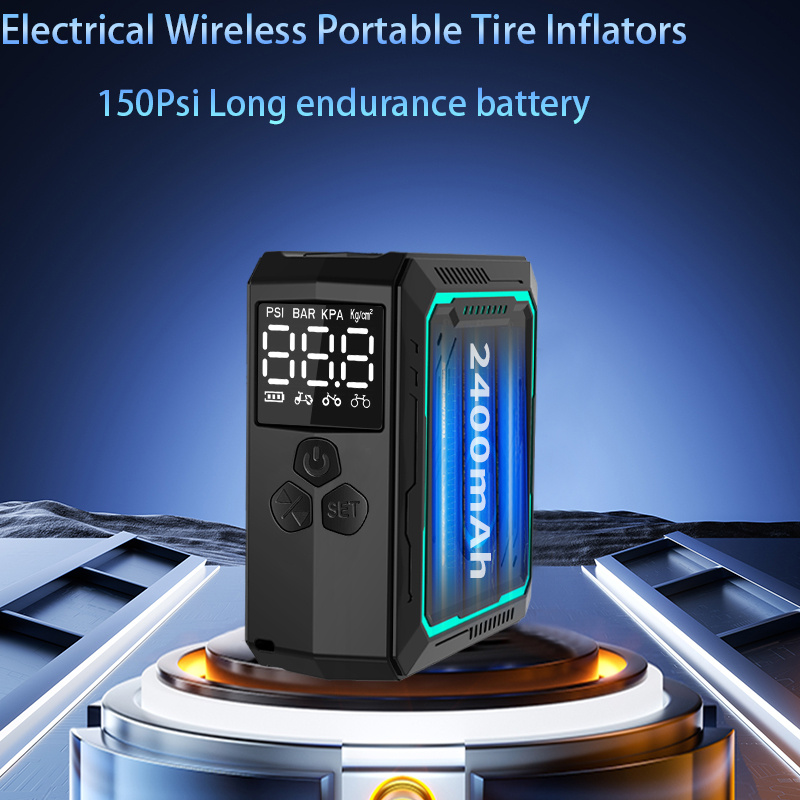
You want your tire inflator to deliver quick and consistent inflation. The motor output determines how fast your inflator can fill a tire and how much pressure it can achieve. A higher motor output means you get faster inflation, especially when you need to reach higher PSI levels. The motor torque also plays a big role. More torque allows the inflator to maintain compressor performance even as the pressure rises. If you use a wireless dual-cylinder air pump, you benefit from a dual-cylinder design that increases compressor output and airflow. This setup gives you more stability and helps you inflate tires faster, even for larger vehicles.
Efficiency and Amp Draw
Motor efficiency affects how much power your inflator uses during operation. Efficient motor design converts more electrical energy into mechanical energy, which means you get the same inflation performance with less power consumption. This efficiency becomes important when you use your inflator frequently or rely on your vehicle’s battery. The amp draw tells you how much current the motor needs. Motors with higher efficiency use less current for the same inflation speed, which helps you save energy and avoid draining your battery too quickly.
Tip: Always check the amp draw of your tire inflator before use. Lower amp draw with high performance means better energy efficiency.
Here’s a quick look at typical amp draw ranges and what they mean for energy efficiency:
Amp Draw Range | Energy Efficiency Implications |
|---|---|
5A - 15A | More efficient motors use less power for the same performance, while faster inflation speeds require more power, increasing amp draw. |
Reliability Factors
You need your inflator to work every time you need it. The reliability of a tire inflator depends on the stability of the motor and its design. Motors with strong motor torque and good heat management last longer and deliver consistent performance. Overheating, power-related issues, and mechanical problems can cause motor failure. If the motor design does not match the power requirements, you may face sudden stops or reduced stability during inflation.
Cause of Motor Failure | Explanation |
|---|---|
Power-related issues | Problems with current ratings and voltage supply can lead to motor failure. |
Overheating | Excessive heat can trigger safety mechanisms, causing the inflator to stop working. |
Mechanical problems | Issues such as loose or damaged internal parts can cause noise, vibrations, and operational failures. |
A well-designed motor with proper torque and stability features will help your inflator handle repeated use and high-pressure tasks. The dual-cylinder design also improves stability and reduces the risk of overheating, especially when you need to inflate several tires in a row.
When you choose a tire inflator, focus on the motor power, motor torque, and overall motor design. These factors determine how well your inflator performs, how long it lasts, and how much energy it uses. The right combination of motor output, efficiency, and stability ensures you get reliable inflation and strong compressor performance every time.
Cylinder Design in Inflators
Single vs. Dual Cylinder
When you compare single and dual-cylinder inflators, you notice clear differences in performance and stability. Single-cylinder models use one piston to move air, which limits the airflow rate and slows down inflation. Dual-cylinder inflators use two pistons, doubling the air displacement with each cycle. This design leads to faster inflation and greater compressor output. You get higher CFM (Cubic Feet per Minute), which means you can fill your tires in minutes instead of waiting much longer.
Dual-cylinder inflators move much more air than single-cylinder models.
Two pistons allow for double the air displacement, increasing inflation speed.
Higher airflow rates mean you spend less time inflating each tire.
If you use a wireless dual-cylinder air pump, you benefit from both speed and stability. The dual-cylinder design also helps maintain consistent pressure, which improves overall inflator performance.
Type | Airflow Rate (L/min) |
|---|---|
Single-Cylinder | 15 |
Dual-Cylinder | |
Dual-Cylinder | 45 |
This table shows that dual-cylinder inflators deliver much higher airflow rates, making them ideal for larger tires or frequent use.
Airflow and Compression
Airflow and compression efficiency play a major role in how well your tire inflator works. The cylinder design directly affects how much air the inflator can push into your tire with each stroke. Dual-cylinder inflators provide more airflow, which leads to faster inflation and better compressor performance. You get more stability during operation, especially when inflating multiple tires or working at higher pressures.
Pump displacement volume measures how much air the cylinder moves in one cycle. A larger displacement volume means more air enters the tire with each stroke, improving performance. High airflow rates, measured in liters per minute, show how quickly the inflator can fill a tire. When you choose an inflator with a high airflow rate, you reduce waiting time and improve stability.
Material and Durability
Cylinder material and design have a direct impact on the durability and efficiency of your inflator. Upgraded metal cylinders offer improved durability and faster heat dissipation. This means your inflator can handle repeated use without overheating or losing stability. Better heat management also lowers noise levels during inflation and extends the service life of the inflator.
Feature | Description |
|---|---|
Cylinder Material | Upgraded metal for improved durability |
Heat Dissipation | Faster heat dissipation during operation |
Noise Level | Lower noise during inflation |
Service Life | Extended service life due to design improvements |
You want your tire inflator to last and perform well every time you use it. Choosing an inflator with a strong cylinder design ensures better stability, higher performance, and reliable operation. The right combination of motor and cylinder design gives you the best results, whether you need quick inflation or long-term durability.
Comparing Tire Inflator Types
Portable vs. Heavy-Duty Inflators
When you compare portable and heavy-duty inflators, you see major differences in motor power, cylinder design, and overall performance. Portable inflators often use a cigarette lighter plug-in and have a single-cylinder motor. These models work well for inflating car tires in emergencies but may struggle with larger tires or frequent use. Heavy-duty inflators feature dual-cylinder or wireless dual-cylinder air pump designs, direct battery connections, and high-performance compressors. These inflators deliver faster inflation and maintain compressor performance even at higher pressures.
Inflator Type | Typical CFM (@ 0 PSI) | Time to Inflate a 35" Tire (15-35 PSI) |
|---|---|---|
Cigarette Lighter Plug-in | 1.0 - 1.5 | 10-15+ minutes |
Heavy-Duty Portable | 5.0 - 8.0+ | 2-4 minutes |
Heavy-duty inflators also offer longer duty cycles and better heat management. You can inflate multiple tires without waiting for the motor to cool down.
Choosing Based on Motor and Cylinder
Selecting the right inflator depends on your needs. If you want speed and reliability for inflating car tires, choose a model with a strong motor and dual-cylinder design. For off-road or commercial use, look for inflators with high airflow, direct battery connections, and durable cylinders. Consider these factors:
Tire size and volume
Desired inflation speed
Power source (battery, vehicle, or both)
Motor efficiency
Tip: For emergency roadside use, pick a tire inflator with an accurate digital gauge, auto-shutoff, and clear display. These features help you avoid over-inflation and ensure safe operation.
Modern inflators use advanced battery technology and high-performance compressors. You get reliable performance, fast inflation, and portability. The right combination of motor and cylinder design ensures your inflator meets your needs, whether you use it for daily driving or off-road adventures.
You improve tire inflator performance by choosing the right motor power and cylinder design. For best results, select an inflator with a high-precision pressure sensor and real-time pressure readings. Prioritize accuracy and durability. Compare features like build quality and power source to match your needs, as shown in the table below.
Feature | Harbor Freight | Snap-on |
|---|---|---|
Gauge Accuracy | +/- 2-4 PSI | +/- 0.5% scale |
Durability | Prone to fail | Withstands abuse |
FAQ
How does motor power affect tire inflation speed?
You get faster inflation with higher motor power. Strong motors push more air, helping you fill tires quickly and efficiently.
What are the benefits of dual-cylinder inflators?
You experience quicker inflation and better stability. Dual-cylinder designs move more air, making them ideal for larger tires and frequent use.
How do I choose the right tire inflator for my vehicle?
You should check your tire size, desired inflation speed, and power source. Select an inflator that matches your needs for reliability and performance.
See Also
A Comprehensive Guide to Tire Inflator Technology for B2B Buyers
Understanding the Functionality of Manual Air Pumps and Inflators
Key Considerations for Bulk Purchasing Tire Inflators: Quality and Cost
Distinguishing Between Tire Inflators and Air Pumps: Key Differences
Essential Features B2B Buyers Need in Today's Tire Inflators