Evaluating Tire Inflator Cylinders: Materials, Tolerances, and Durability

You demand reliability and effectiveness from every tire inflator cylinder. Material quality, precise manufacturing tolerances, and robust durability testing each play a critical role. Choosing the right cylinder ensures safety and strong long-term performance. Whether you purchase individually or through Tire Inflator wholesale, your selection directly impacts equipment lifespan and user confidence.
Key Takeaways
Choose metal cylinders for heavy-duty use. They offer better strength and durability compared to plastic options.
Check manufacturing tolerances before purchasing. Tight tolerances prevent leaks and ensure reliable performance.
Inspect cylinders regularly for signs of wear. Look for cracks, dents, or discoloration to avoid sudden failures.
Cylinder Materials
Metal vs. Plastic
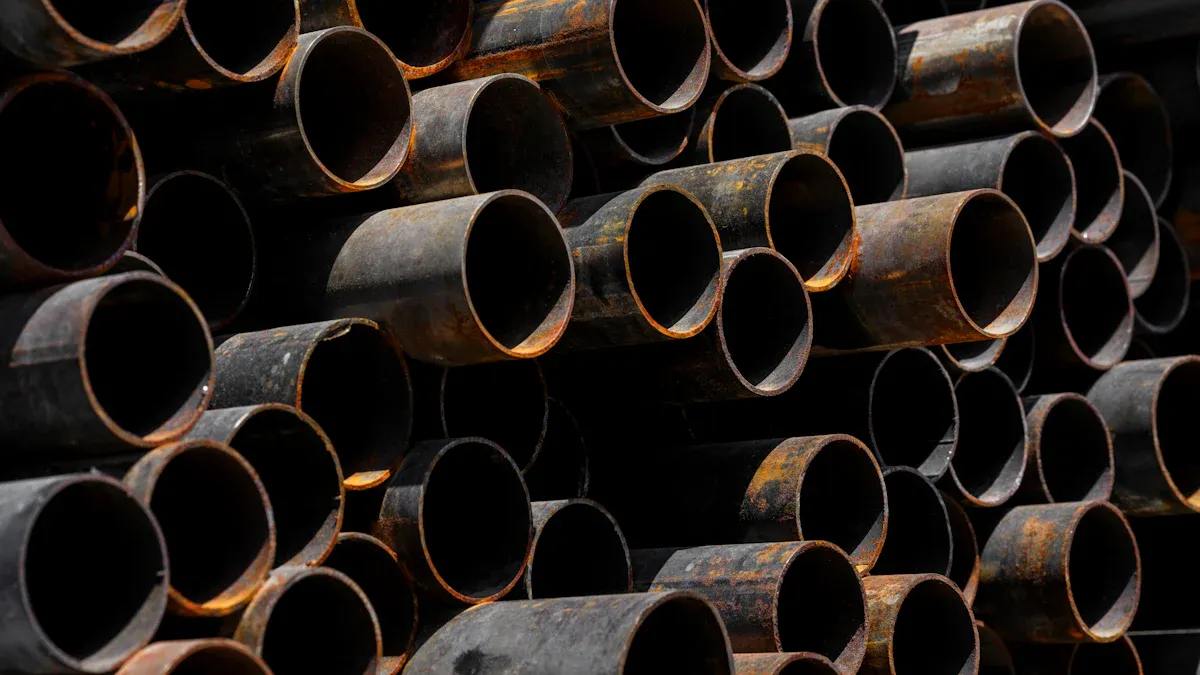
You face two main choices when selecting tire inflator cylinders: metal or plastic. Metal cylinders, often made from aluminum or steel, offer superior strength and resistance to wear. Plastic cylinders, usually constructed from reinforced polymers, provide lighter weight and lower cost.
Feature | Metal Cylinder | Plastic Cylinder |
|---|---|---|
Strength | High | Moderate |
Weight | Heavier | Lighter |
Cost | Higher | Lower |
Heat Resistance | Excellent | Limited |
Longevity | Extended | Shorter |
Metal cylinders withstand repeated use and high pressure. Plastic cylinders suit occasional use and lower PSI applications. You should consider your typical usage before making a decision.
Material Impact
Material choice directly affects the performance and durability of your tire inflator. Metal cylinders resist deformation and cracking, even under stress. You benefit from consistent air delivery and fewer breakdowns. Plastic cylinders may flex or warp over time, especially if exposed to heat or high pressure.
Tip: If you use your inflator in extreme temperatures or for heavy-duty tasks, choose a metal cylinder. You reduce the risk of sudden failure and ensure reliable operation.
You also need to think about corrosion. Aluminum resists rust, while steel requires protective coatings. Plastic does not rust, but it can degrade under UV light or chemicals.
Heavy-Duty Construction
Heavy-duty inflators demand robust cylinder construction. You need a cylinder that handles high PSI without leaking or bursting. Manufacturers reinforce metal cylinders with thicker walls and precision machining. These features allow you to inflate truck tires, off-road vehicles, and equipment safely.
Key benefits of heavy-duty metal cylinders:
Withstand repeated high-pressure cycles
Maintain shape and integrity over years of use
Support professional and industrial applications
Plastic cylinders rarely meet the demands of heavy-duty use. You risk premature wear and reduced safety if you choose a lightweight option for demanding tasks.
Note: Always check the manufacturer’s specifications for maximum PSI and recommended usage. You protect yourself and your equipment by matching the cylinder material to your needs.
You make a smart investment when you select a cylinder built for durability and performance. Material quality sets the foundation for safe, long-lasting tire inflation.
Manufacturing Tolerances
Tolerance Basics
Manufacturing tolerances set the allowed limits for variation in the size and shape of each tire inflator cylinder part. You need tight tolerances to ensure that every cylinder fits and functions as designed. Even a small error can cause leaks, weak spots, or poor performance. Manufacturers use precise machines to keep these variations within strict limits.
Tip: Always check if the manufacturer lists tolerance values in their product specifications. This shows their commitment to quality.
Safety and Reliability
You rely on accurate tolerances for safe and reliable tire inflation. Loose tolerances can lead to air leaks, cylinder deformation, or even sudden failure under pressure. Tight tolerances help each cylinder maintain its shape and seal, even during repeated use. You protect yourself and your equipment by choosing cylinders with proven precision.
Why tolerances matter:
Prevents air leaks
Reduces risk of bursting
Ensures consistent performance
Checking Tolerances
You can check tolerances by reviewing technical data sheets or asking for quality certifications. Look for terms like “ISO 9001” or “QC passed.” These indicate that the manufacturer follows strict quality control. If you buy in bulk, request sample cylinders and inspect them for uniform wall thickness and smooth finishes.
Note: High-quality tire inflator cylinders always show consistent dimensions and flawless machining. You should avoid products with visible defects or uneven surfaces.
Durability Testing

Stress Tests
You need to know how tire inflator cylinders perform under pressure. Manufacturers use stress tests to simulate real-world conditions. These tests push cylinders to their limits. You see how the cylinder reacts to high PSI, rapid inflation cycles, and extreme temperatures. Engineers fill cylinders repeatedly and monitor for leaks, cracks, or deformation. They also expose cylinders to freezing and scorching environments to check for material breakdown.
Common stress tests include:
High-pressure inflation cycles
Thermal shock (rapid temperature changes)
Drop tests from various heights
Vibration and impact resistance
Tip: Ask suppliers for details about their testing protocols. You gain confidence when you know a cylinder has passed rigorous stress tests.
Signs of Wear
You must recognize early signs of wear to prevent equipment failure. Visual inspection helps you spot problems before they become dangerous. Look for surface cracks, dents, or bulges. Check for discoloration or fading, which may signal material fatigue. Run your fingers along the cylinder to feel for rough spots or uneven surfaces.
Sign of Wear | What It Means | Action Needed |
|---|---|---|
Cracks | Material fatigue or stress | Replace immediately |
Dents/Bulges | Impact or pressure damage | Inspect further |
Discoloration | UV or chemical exposure | Monitor regularly |
Rough Surface | Abrasion or corrosion | Clean or replace |
Alert: Never use a cylinder with visible damage. You risk sudden failure and injury.
Longevity Assessment
You want your tire inflator cylinder to last. Longevity depends on material quality, manufacturing precision, and regular maintenance. You should track how many inflation cycles the cylinder completes without issues. Keep a log of performance and note any repairs. Compare your experience with manufacturer claims.
Number of successful inflation cycles
Consistency of air delivery
Frequency of maintenance or repairs
Resistance to environmental stress
You extend cylinder life by storing it in a dry, cool place. Clean the cylinder after each use. Avoid exposing it to chemicals or direct sunlight for long periods.
Note: Reliable cylinders often outlast cheaper alternatives. You save money and reduce downtime by investing in quality and maintaining your equipment.
Choosing Tire Inflator Wholesale
Quality Criteria
When you evaluate Tire Inflator wholesale options, you must focus on quality criteria that guarantee reliability for bulk or fleet use. You should look for cylinders with heavy-duty metal casings, which improve heat dissipation and extend lifespan. Larger capacity models inflate a wider range of tires, including those on trucks and SUVs. Efficient inflators save time and reduce labor costs. Ease of use matters, so select models with extended tubes and integrated pressure gauges. Always check warranty terms for assurance against defects.
Quality Criteria | Description |
|---|---|
Durability | Heavy-duty metal casing, designed for long-term use |
Capacity | Suitable for trucks, SUVs, and fleet vehicles |
Efficiency | Faster inflation speed, higher airflow rate |
Ease of Use | Extended tube, built-in pressure gauge |
Warranty | Reliable warranty for peace of mind |
You avoid common mistakes in Tire Inflator wholesale purchases by prioritizing durability and compatibility. Do not ignore wear-prone components like the piston and cylinder assembly. Avoid low-cost replacements that may lead to leaks or early failure.
Pressure Gauge Importance
Pressure gauge quality directly affects the performance of Tire Inflator wholesale products. You need accurate readings to prevent under- or over-inflation. Digital gauges provide the best accuracy and are easy to read. Dial gauges may lack precision, especially in cheaper models. Handheld gauges vary in reliability, often depending on price.
Gauge Type | Performance Issues |
|---|---|
Handheld Gauges | Accuracy varies; price affects quality |
Dial Gauges | Cheaper models often lack durability and accuracy |
Digital Gauges | Highly accurate, easy to read |
You should always choose Tire Inflator wholesale models with high-quality, integrated digital gauges for commercial use.
Practical Selection Tips
You maximize value in Tire Inflator wholesale purchases by following these tips:
Identify your primary use case—cars, trucks, or equipment.
Select the right power type for your fleet.
Ensure each inflator reaches at least 40 PSI and has a flow rate of 20 L/min.
Review build quality, favoring metal fittings and reinforced hoses.
Check for noise levels below 70 dB.
Avoid models without safety certifications or clear specifications.
Tip: You should request sample units before committing to a Tire Inflator wholesale order. Inspect for uniform machining, smooth finishes, and robust pressure gauges.
You secure long-term reliability and safety by choosing Tire Inflator wholesale cylinders that meet strict standards for materials, tolerances, and durability.
You should focus on materials, tolerances, durability, and pressure gauge quality when choosing tire inflator cylinders. Professional fleet managers select industrial-grade models with metal-reinforced parts and advanced cooling.
Feature | Description |
|---|---|
Durability | Extended duty cycles, robust construction |
Safety | Overheat protection, auto-shutoff, strong build |
Invest in quality to ensure safety and long-term performance.
FAQ
What material should you choose for heavy-duty tire inflator cylinders?
You should select metal cylinders, such as aluminum or steel. These materials offer superior strength and durability for high-pressure and frequent use.
How do you check if a cylinder meets quality tolerances?
You can review the product's technical data sheet or request ISO certification. Manufacturers often provide tolerance details for professional-grade inflators.
What signs indicate you need to replace your tire inflator cylinder?
Sign | Action |
|---|---|
Cracks | Replace |
Bulges | Inspect |
Discoloration | Monitor |
You should replace cylinders showing cracks or severe deformation immediately.
See Also
Maximizing Tire Inflator Efficiency Through Diameter And Pressure
The Role Of Motor Power And Design In Inflator Efficiency
Assessing Tire Inflator Manufacturers: Quality, MOQ, And Certifications
Understanding The Impact Of Engineering On Inflator Airflow
Finding The Right Balance Of Quality And Price For Bulk Inflators